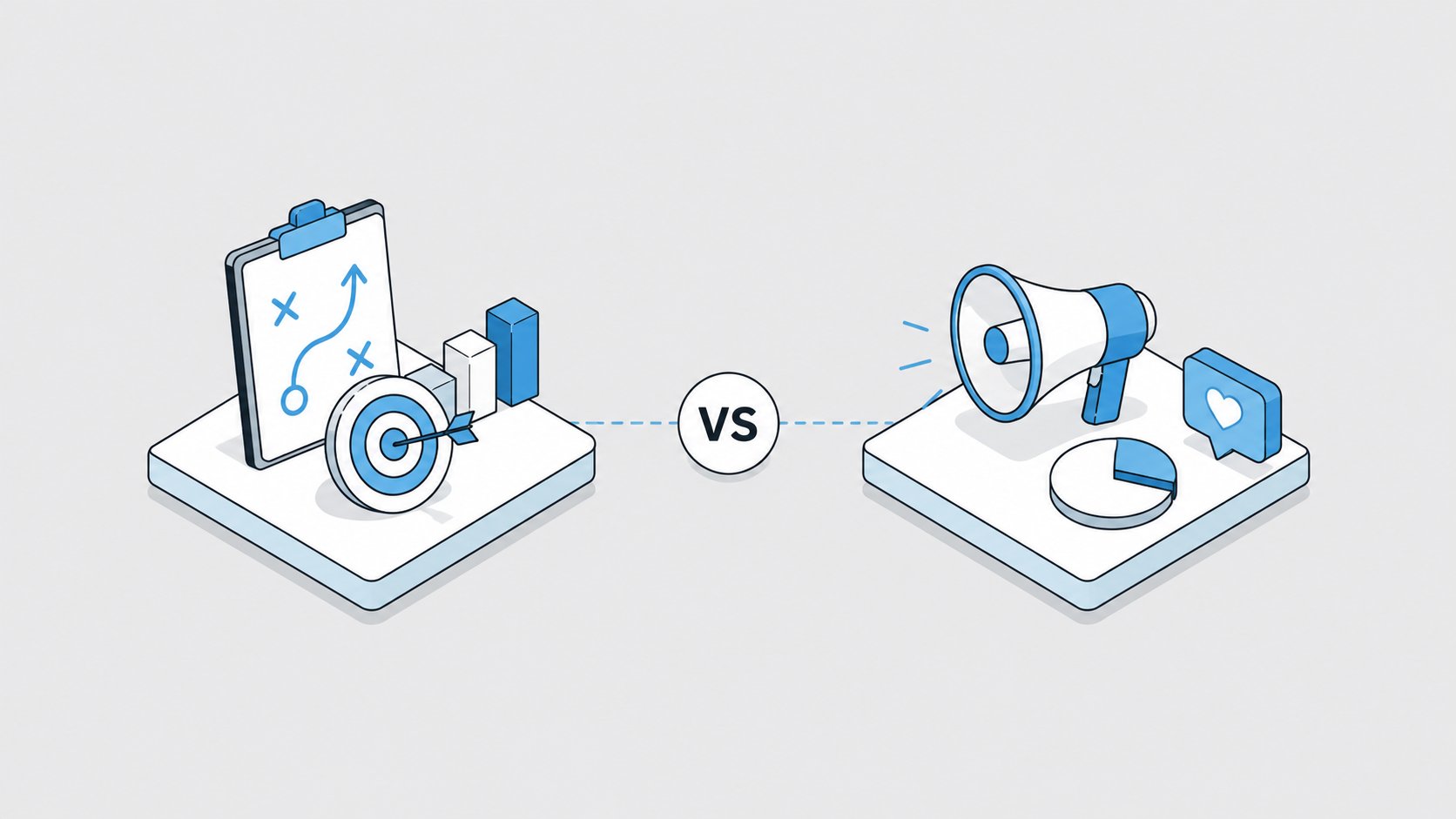
For years, B2B leaders have debated the merits of "Inbound" versus "Outbound" growth strategies.
Inbound advocates argue for the efficiency of attraction through content, while Outbound proponents emphasize the control and speed of direct outreach. However, in a complex market, choosing one over the other is a false dichotomy that often leads to inconsistent results.
The reality of modern growth is that neither Inbound nor Outbound is sufficient on its own. To achieve predictable scale, these tactics must be governed by a GTM System.
By treating growth as a technical architecture rather than a collection of separate channels, you move from disjointed activity to systemic performance.
Integrated GTM Systems
Integrated GTM Systems are the technical and strategic frameworks that unify inbound and outbound activities into a single data-driven revenue engine. |
The Limitation of Pure Inbound and Outbound
When these methodologies are treated as independent silos, they eventually hit a ceiling. Pure Inbound often suffers from a lack of control over lead quality, while pure Outbound frequently results in high costs and team burnout due to low-intent prospecting.
The Inbound Friction Point
Inbound marketing is a powerful tool for building awareness, but it is passive. You are reliant on the buyer to find you. Without a defined GTM strategy, Inbound teams often focus on vanity metrics like clicks and downloads, producing a high volume of leads that never convert into revenue.
The Outbound Friction Point
Outbound sales allow for precision, but it is becoming increasingly difficult to cut through the noise. Buyers are fatigued by generic cold calls and automated LinkedIn sequences.
Without GTM Engineering to provide intent signals, Outbound reps spend their time "spraying and praying," which drives up your Customer Acquisition Cost (CAC).
How GTM Systems Drive Sustainable Growth
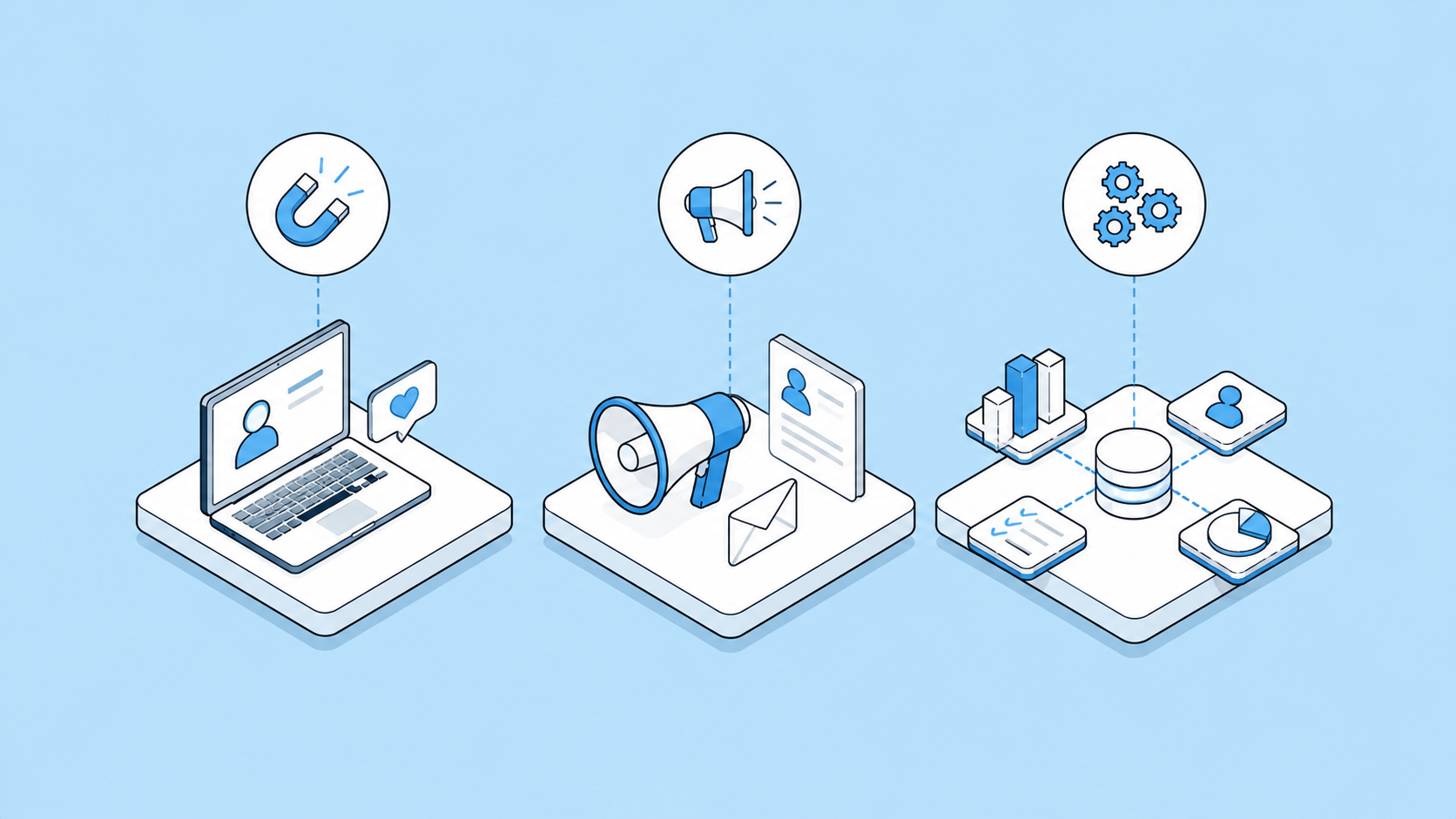
A GTM System acts as the orchestrator. It does not replace Inbound or Outbound; it synchronizes them within a HubSpot-powered RevOps engine. This systemic approach provides three critical advantages for scaling firms:
1. Signal-Based Orchestration
Instead of running these channels in isolation, a GTM System uses Inbound signals to fuel Outbound plays. For example: if an Ideal Customer Profile (ICP) account visits your pricing page (Inbound), your system automatically triggers a specific sales sequence (Outbound). This ensures that your outreach is always timely and relevant.
2. Unified Data Pipelines
In a traditional model, Inbound data lives in a marketing tool and Outbound data lives in a sales tool. A GTM System requires alignment across the entire stack. By centralizing all interactions in HubSpot, you gain total visibility into which combination of touchpoints actually leads to a closed-won deal.
3. Automated Nurturing and Qualification
Not every lead is ready to buy today. A GTM System uses automation to "park" low-intent leads in educational sequences until they show signs of readiness. This prevents your sales team from wasting time on manual follow-ups for prospects who are not yet qualified, significantly improving ROI and revenue velocity.
The Propello Framework: Building the Machine
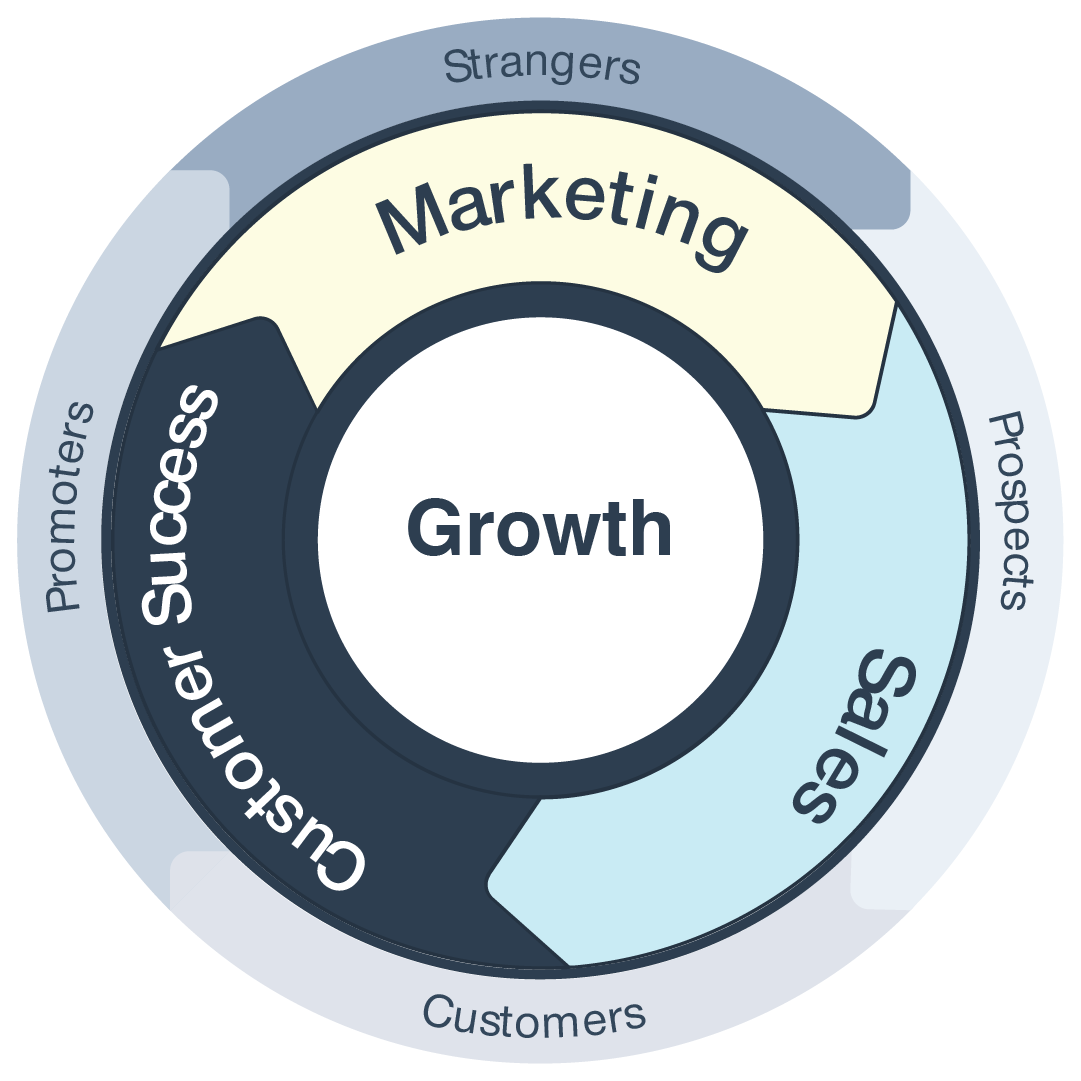
At Propello, we help you move beyond the "Inbound vs. Outbound" debate by building your GTM Flywheel. We focus on the technical construction of a revenue engine that leverages the strengths of every channel:
- Channel Strategy: We identify the specific mix of Inbound and Outbound tactics that match your market maturity and buyer complexity.
- Technical Integration: We architect your HubSpot environment to serve as the "brain" for both departments, ensuring data flows seamlessly.
- Operational Execution: We deploy the automated playbooks that turn intent signals into predictable revenue.
Conclusion: Precision Over Volume
Growth is not driven by the volume of your activity, but by the precision of your systems. Whether you prefer Inbound or Outbound, your results will be limited by the infrastructure supporting them. By evolving toward a unified GTM System, you stop fighting for attention and start engineering for impact.
Ready to stop the channel debate and start scaling?
Book a GTM Strategy Session with Propello to identify the gaps in your growth engine and design your scalable revenue system today.
Frequently Asked Questions (FAQ)