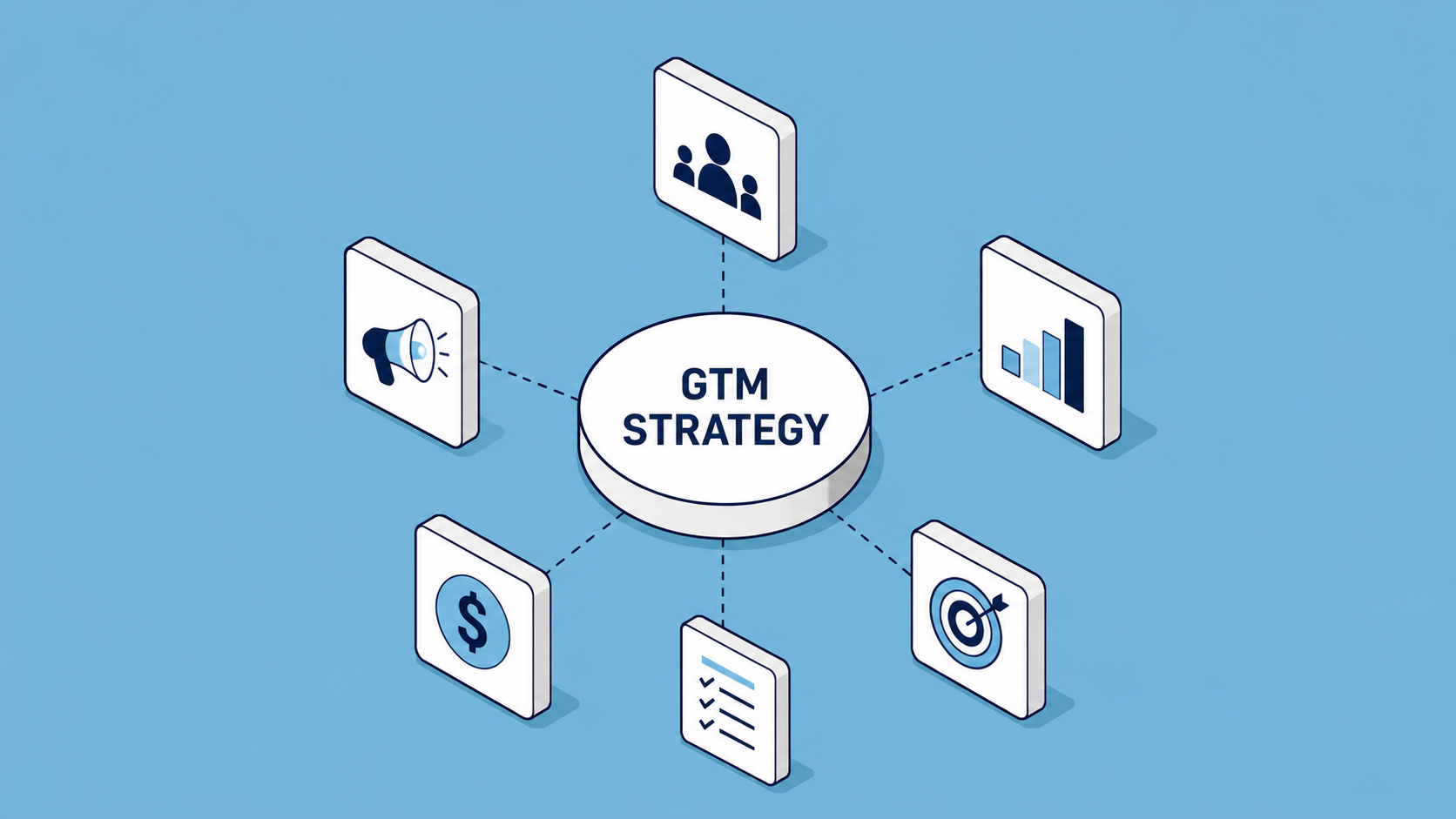
In the B2B sector, terms like "Marketing" and "Go-To-Market" are often used interchangeably. This linguistic overlap creates a significant strategic risk. When a business treats its Go-To-Market (GTM) strategy as just a subset of marketing, it overlooks the critical requirements of sales alignment and technical infrastructure.
While marketing is a continuous process of brand promotion and lead generation, a GTM strategy is a structural blueprint for a specific market outcome. Understanding the technical and operational differences between these two disciplines is the first step toward engineering a predictable revenue engine.
Strategy ComparisonA Marketing Strategy is an ongoing plan to promote a brand’s value proposition across various channels to build awareness and generate leads. |
Go-To-Market (GTM) Strategy
A GTM Strategy is a cross-functional blueprint that defines how an organization delivers a specific product to a specific audience to achieve a competitive advantage. |
The Primary Differentiators: GTM vs. Marketing Strategy
Understanding where these two disciplines diverge is essential for architecting a scalable organization. At Propello, we define the distinction through four key structural areas.
1. Scope: Ongoing Promotion vs. Moment-in-Time Launch
Marketing strategy is perpetual. It focuses on maintaining brand relevance, managing social proof, and ensuring a steady flow of awareness. It is the "long game" of business growth.
In contrast, a GTM strategy is often focused on a specific event or objective. This could be the launch of a new product, an entry into a new geographic territory, or a pivot to a new Ideal Customer Profile (ICP). A GTM strategy has a clear beginning and a defined goal; it provides the temporary scaffolding required to reach a new level of scale.
2. Alignment: Departmental vs. Cross-Functional
A traditional marketing strategy is typically managed within the marketing department. It governs things like ad spend, content calendars, and SEO. While it interacts with sales, it is often siloed.
A GTM strategy is inherently cross-functional. It forces alignment between Marketing, Sales, and Product. If the Product team builds a feature that the Sales team cannot sell, or the Marketing team targets an audience that the Sales team does not recognize, the GTM strategy has failed. GTM is the "glue" that prevents the scaling struggles caused by internal silos.
3. Infrastructure: Promotion vs. GTM Engineering
Marketing strategies often focus on the "front-end" of the business; the visuals, the copy, and the creative campaigns. GTM strategy focuses heavily on the "back-end" infrastructure.
This is where GTM Engineering becomes the differentiator. A modern GTM strategy requires a HubSpot-powered RevOps engine to operationalize the plan. While marketing might focus on getting a click, GTM Engineering focuses on the data pipeline that turns that click into a closed-won deal through automated sales plays and signal-based outreach.
4. The Goal: Awareness vs. Market Capture
The ultimate goal of marketing is often awareness and engagement. It is measured by metrics like "impressions," "clicks," and "MQLs."
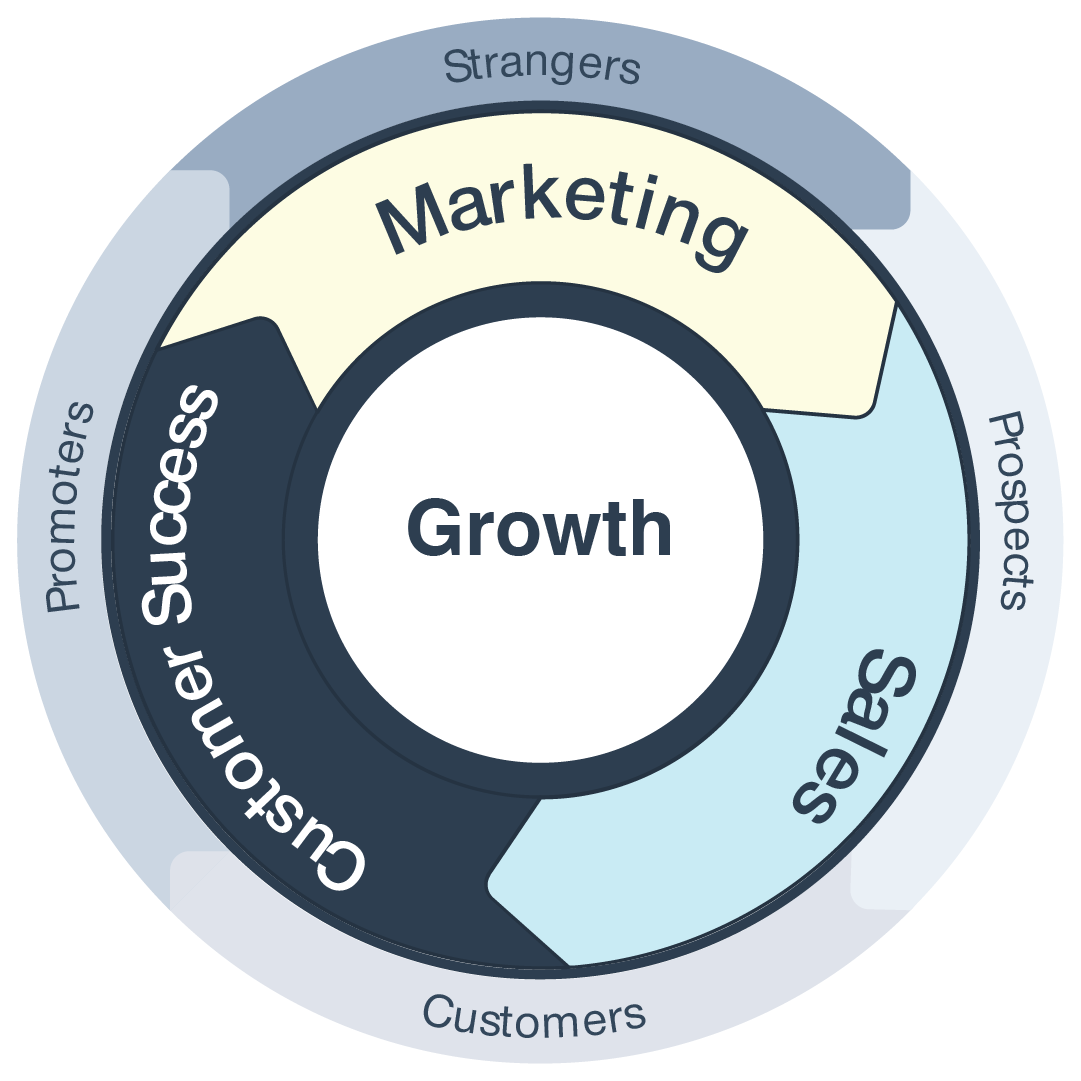
The goal of a GTM strategy is market capture and revenue velocity. It is measured by the speed at which a prospect moves through the entire GTM Flywheel. A GTM strategy does not just want people to know who you are; it wants to build the technical system that makes purchasing from you inevitable.
Conclusion: Scaling with Precision
You cannot market your way out of a bad GTM strategy. If your foundation is weak, adding more marketing activity will only accelerate your inefficiency. To scale successfully, you must first architect your GTM strategy to ensure your teams are aligned and your systems are engineered for results. Marketing is the fuel, but GTM is the engine.
Ready to move beyond basic marketing and build a revenue engine?
Book a GTM Strategy Session with Propello to identify the gaps in your growth engine and design your scalable GTM system.
Frequently Asked Questions (FAQ)