In today's hyper-competitive landscape, launching a product without a system is a recipe for stalled growth. Most businesses fail not because of their product, but because they lack a cohesive roadmap to reach their customers.
At Propello, we view GTM as a continuous flywheel; an integration of strategy, HubSpot-powered RevOps, and growth engineering. This guide will walk you through building a GTM strategy that doesn't just launch products, but builds sustainable revenue engines.
Go-To-Market (GTM) StrategyIt’s your business’s "battle plan" for making sure the right people see your product, understand why it’s better than the rest, and actually buy it. |
What is a Go-To-Market (GTM) Strategy?
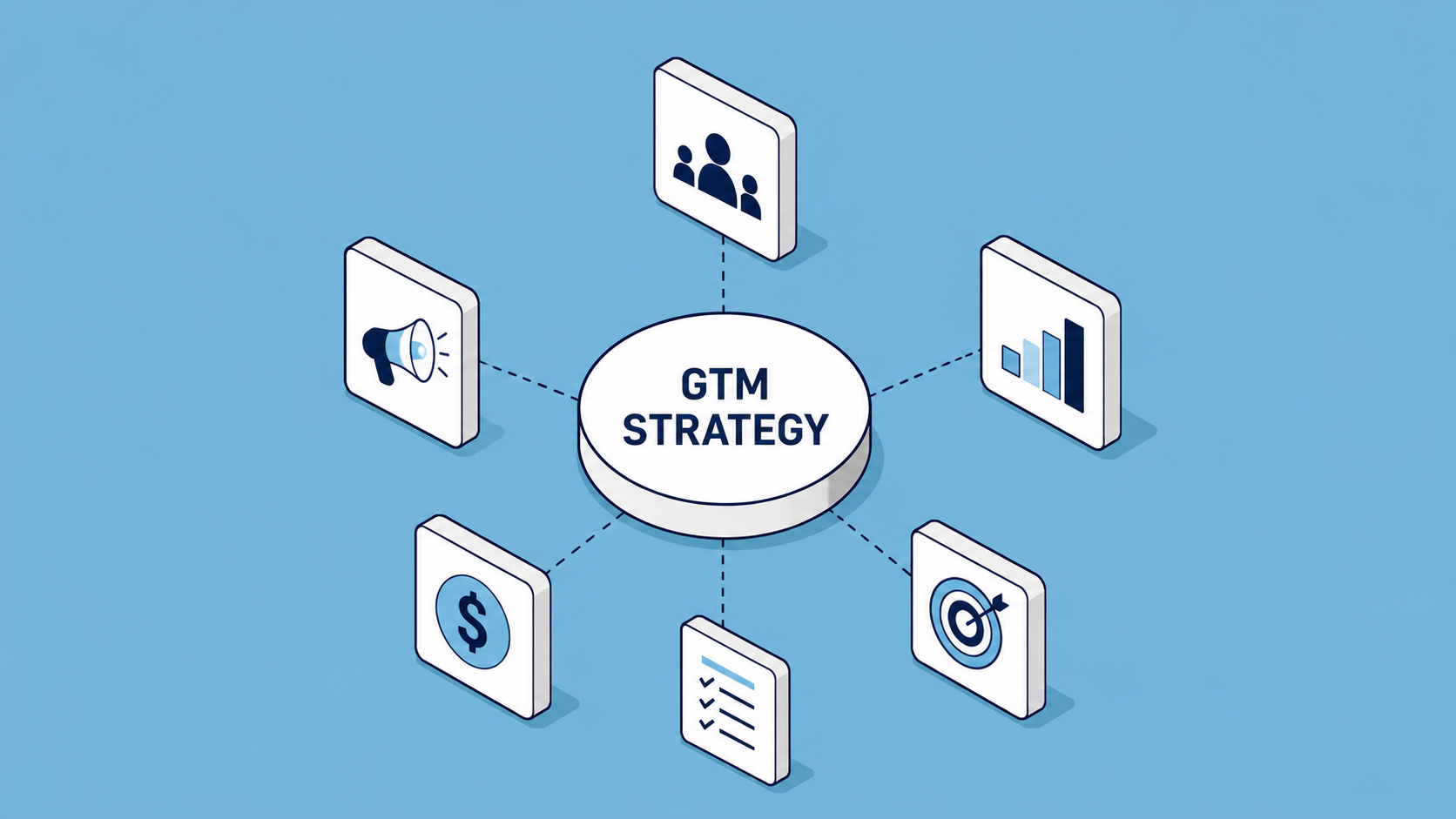
A Go-To-Market (GTM) strategy is a comprehensive plan that details how a company will launch a new product or service to a specific market, reach its target audience, and achieve a competitive advantage.
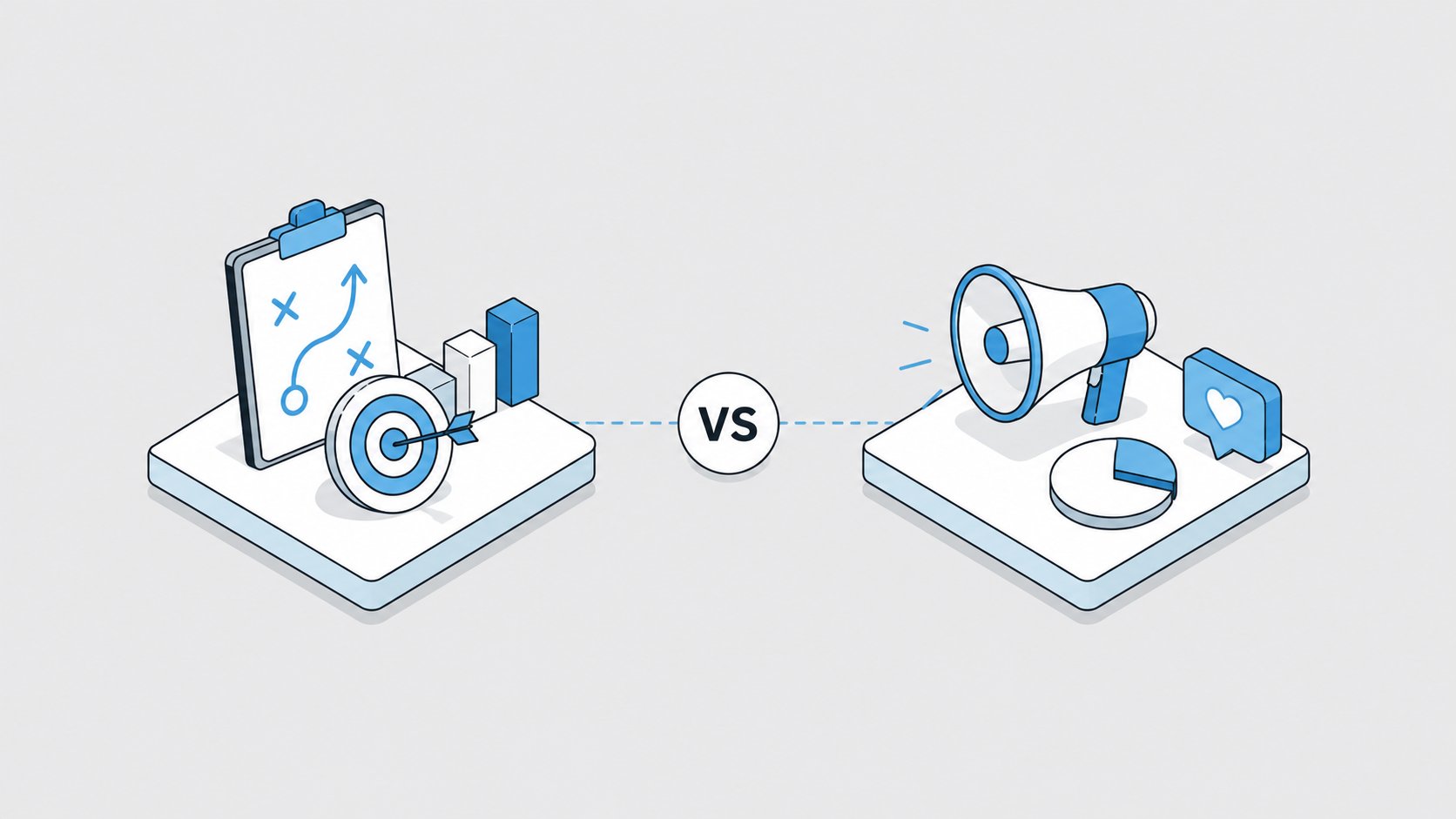
While a marketing plan focuses on ongoing promotion, a GTM strategy is a cross-functional blueprint involving sales, marketing, and product teams to ensure a successful market entry or expansion. In the modern landscape, an effective GTM strategy must also account for GTM Engineering, which is the technical infrastructure and automation required to scale growth predictably.
Why Your Business Needs a GTM Strategy
Many organizations struggle to scale because their internal teams are misaligned. In a world where AI-driven noise is at an all-time high, a structured GTM strategy is the only way to cut through.
Many founders find that their growth plateaus because they lack this foundational system, a challenge explored deeply in our guide on why most businesses struggle to scale. A GTM strategy solves critical bottlenecks by:
- Reducing Time to Market: By defining the path early, you avoid the "pivot loops" that drain resources.
- Ensuring Team Alignment: It bridges the gap between the "Product" vision and the "Sales" reality.
- Minimizing Financial Risk: You validate your ICP (Ideal Customer Profile) before spending heavily on acquisition.
- Improving Customer Experience: When your messaging matches the buyer's pain points perfectly, trust is built instantly.
The Core Components of a GTM Strategy
To build a GTM strategy that drives growth, you must define four critical pillars:
1. The Ideal Customer Profile (ICP) & Persona
Today, "generic" targeting is dead. Your ICP defines the type of company (technographic data, revenue, maturity), while personas define the individuals within those companies, including their specific KPIs and daily frustrations. For a deeper look, see our step-by-step guide to defining your ICP and messaging.
2. Value Proposition & Messaging
What problem are you solving better than anyone else? Your messaging must be a "Single Source of Truth" that feeds your website, your sales decks, and your automated email sequences.
3. Distribution Channels
Where is your target audience actually spending their time? We analyze whether your growth will be driven by Inbound Marketing (Content/SEO), Account-Based Marketing (ABM), or Partner Ecosystems.
4. Pricing and Sales Motion
Your pricing must reflect the value provided, but your sales motion, or how you sell, must match the complexity of the product. This could range from a self-service "freemium" model to a high-touch enterprise sales cycle.
From Strategy to GTM Engineering
Traditional GTM often stops at "the plan." At Propello, we take it a step further with GTM Engineering. Strategy without execution is just a document; Engineering turns that document into a functional, automated system.
- HubSpot Implementation: We don't just "use" a CRM; we architect it to mirror your unique buyer journey.
- Automated Sales Plays: Using technology to handle the repetitive "grunt work" of outreach so your reps focus on closing deals.
- Data Feedback Loops: Real-time dashboards that tell you exactly where the "leaks" are in your revenue funnel.
Conclusion: Build a System, Not Just a Plan
A Go-To-Market strategy is the difference between a company that "guesses" its way to growth and one that "engineers" it. While it is often confused with a standard promotion plan, understanding the difference between GTM and marketing strategy is vital for long-term success. By aligning your ICP, messaging, and systems, you create a flywheel that gains momentum over time.
Ready to build your revenue engine?
Book a GTM Strategy Session with Propello to identify the gaps in your growth engine and design a scalable GTM system.
Frequently Asked Questions (FAQ)
A marketing strategy is an ongoing plan to promote a brand. A GTM strategy is a specific, "moment-in-time" plan for a specific launch, market entry, or audience pivot.
Whenever you are launching something new, such as a new product, a new feature set for a new audience, or entering a new geographic territory.
HubSpot acts as the engine room. It tracks every touchpoint, automates the handoff between marketing and sales, and provides the data needed to prove ROI.
It is the technical side of growth. While strategy decides what to do, GTM Engineering builds the tools and systems to do it automatically and at scale.