In the pursuit of growth, many businesses fall into the trap of believing that a larger net leads to a larger catch. They broadcast their message to the widest possible audience, hoping that volume will eventually translate into value. However, in a sophisticated B2B environment, an undefined target is not an opportunity; it is a massive financial leak.
Without a strictly defined Ideal Customer Profile (ICP), your growth efforts are essentially a series of expensive guesses. You are not just missing out on the right customers; you are actively spending your budget to acquire the wrong ones.
Ideal Customer Profile (ICP)An Ideal Customer Profile (ICP) is a detailed description of the specific type of company that derives the most value from your product and provides the highest lifetime value to your business. |
What is an Ideal Customer Profile (ICP)?
An Ideal Customer Profile (ICP) is a foundational document that defines the firmographic, technographic, and behavioral characteristics of companies that are the best fit for your solution. Unlike a buyer persona, which focuses on individual human roles, the ICP focuses on the organizational level.
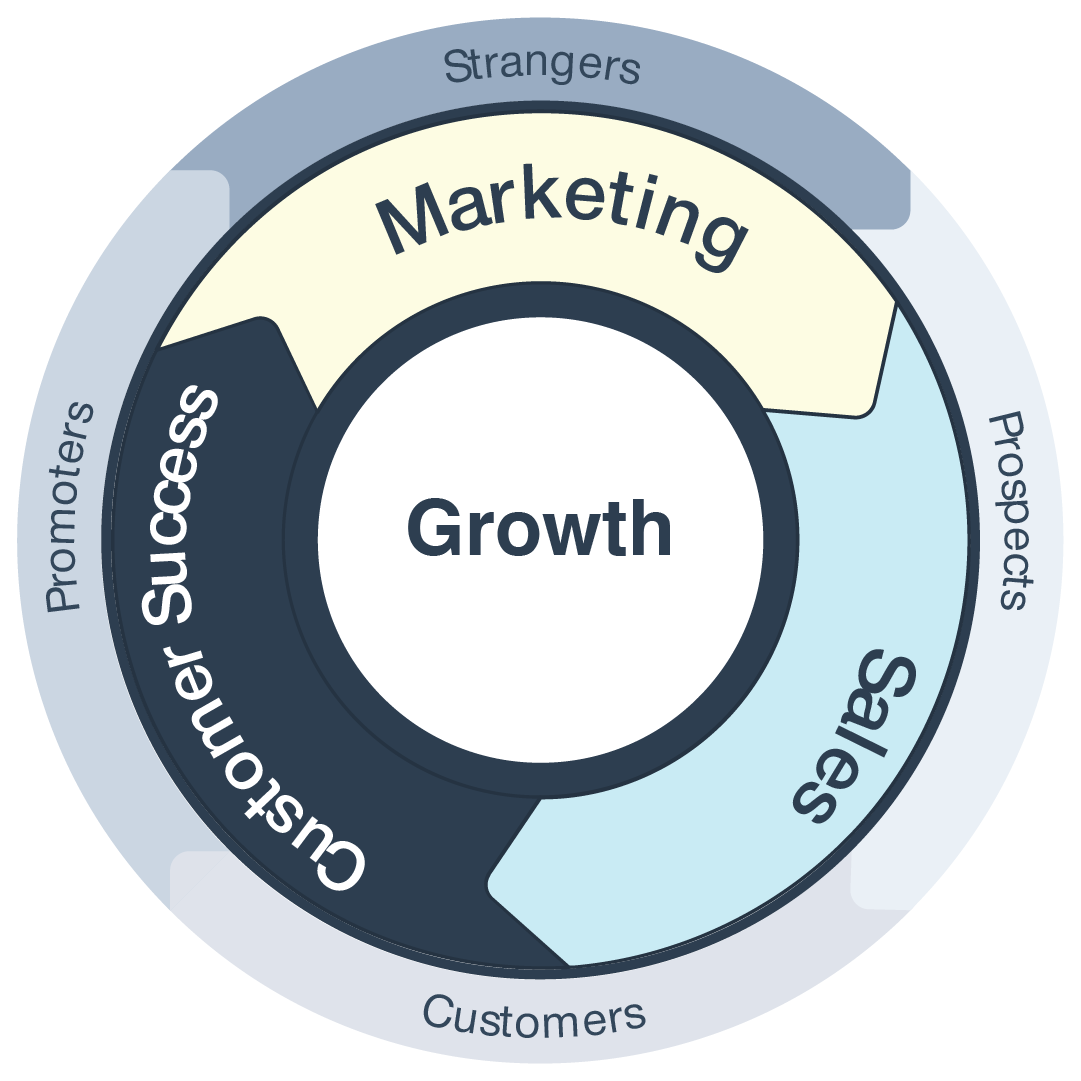
In a modern Go-To-Market system, the ICP acts as the "North Star" for your entire flywheel. It ensures that your marketing spend, sales outreach, and product development are all aimed at the same high-value targets.
The Three Invisible Ways an Undefined ICP Kills Growth
If your ICP is vague, your business is likely suffering from these three silent revenue killers:
1. Diluted Messaging and Ad Spend Waste
When you try to speak to everyone, you end up saying nothing to anyone. Generic messaging fails to trigger the specific pain points of high-value buyers. This leads to low conversion rates and a skyrocketing Customer Acquisition Cost (CAC) as you pay for clicks from prospects who will never actually buy.
2. Sales Burnout and Low Win Rates
Your sales team’s time is your most expensive resource. If they are spending forty hours a week chasing "junk leads" that are too small, too large, or in the wrong industry, they will quickly burn out.
A defined ICP allows for the surgical outreach required in GTM Engineering, ensuring reps only talk to prospects that are likely to close.
3. High Churn and "Bad Fit" Customers
Acquiring a customer who is a poor fit is often worse than acquiring no customer at all. "Bad fit" customers demand more support, complain more often, and eventually churn, damaging your brand reputation and your bottom line.
A strong ICP prevents these "toxic" revenue sources from entering your system in the first place.
How to Engineer a High-Integrity ICP
At Propello, we move past the basic "company size and industry" metrics. We use data to engineer an ICP that actually drives revenue:
- Technographic Matching: We identify the specific software stacks your best customers use, allowing you to target companies where your product integrates perfectly.
- Behavioral Triggers: We look for the "events" that signal a need for your product, such as a new round of funding or a change in leadership.
- HubSpot Integration: We bake your ICP directly into your CRM, creating automated "Lead Scores" that instantly flag high-value prospects for your sales team.
Conclusion: Focus is a Force Multiplier
In B2B growth, the narrowest focus often produces the widest results. By defining your ICP with absolute clarity, you stop fighting for attention and start engineering for impact.
When you know exactly who you are looking for, your entire GTM engine moves faster, more efficiently, and with significantly less friction.
Ready to stop chasing the wrong leads and start scaling?
Get a Free GTM Audit to identify your true ICP and design a scalable revenue system that works.
Frequently Asked Questions (FAQ)