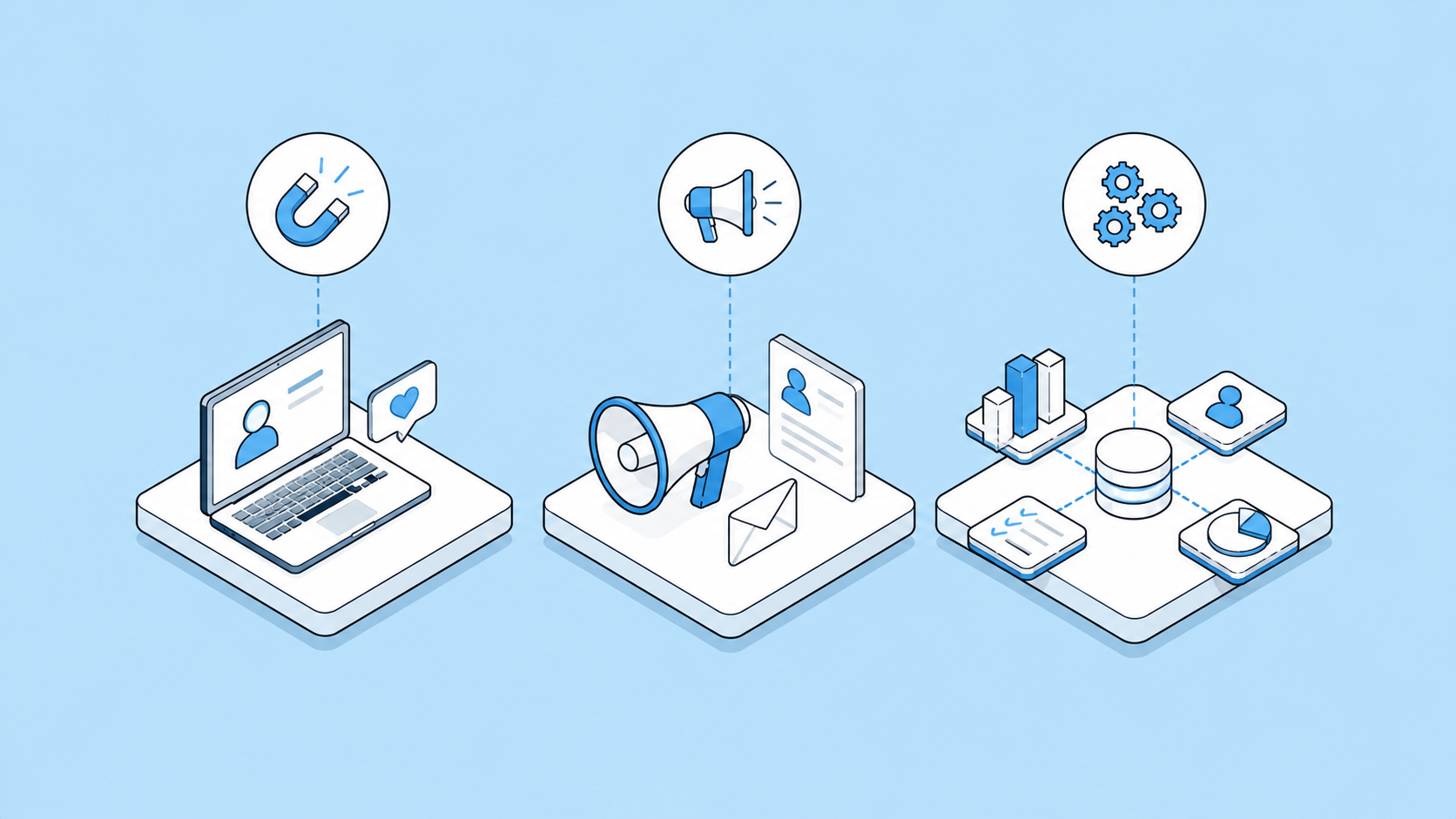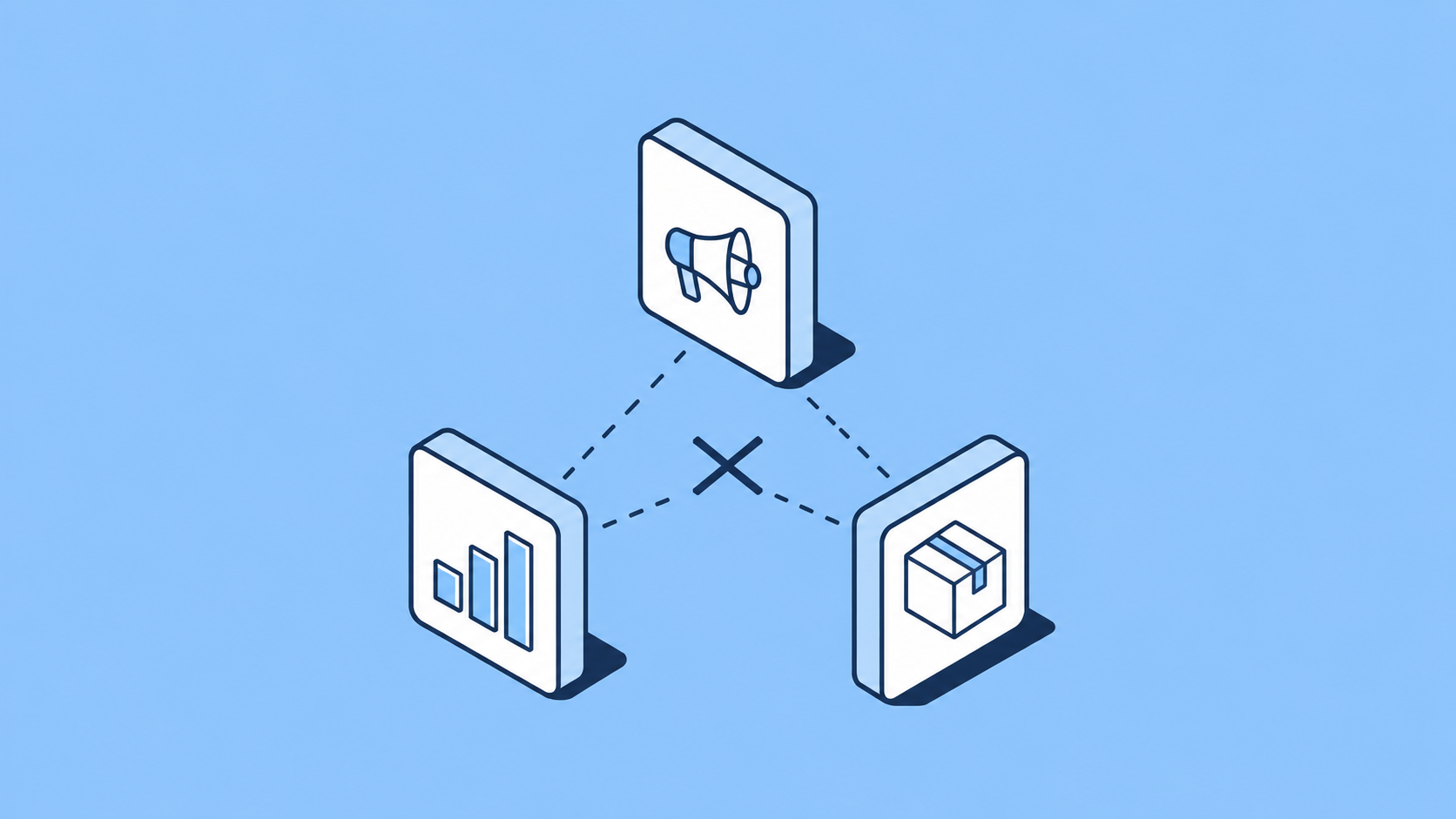
Building a high-growth company is often compared to building a high-performance engine. If the pistons, valves, and crankshaft are not perfectly timed, the engine creates more heat than motion. In many B2B organizations, Marketing, Sales, and Product operate as independent parts rather than a synchronized system.
When these teams are out of sync, the result is friction: high customer acquisition costs, wasted marketing spend, and product features that do not solve the actual problems of the buyers. Real growth requires moving past individual excellence and toward systemic alignment.
Revenue AlignmentRevenue Alignment is the strategic synchronization of Marketing, Sales, and Product teams around a shared set of data, goals, and customer definitions to drive predictable growth. |
What is Team Misalignment in GTM?
Team misalignment occurs when internal departments work toward conflicting objectives or use different sets of data to define success. Marketing might be focused on "lead volume," while Sales is frustrated by a lack of "lead quality." Simultaneously, the Product team may be developing features based on a vision that does not align with the feedback Sales receives in the field.
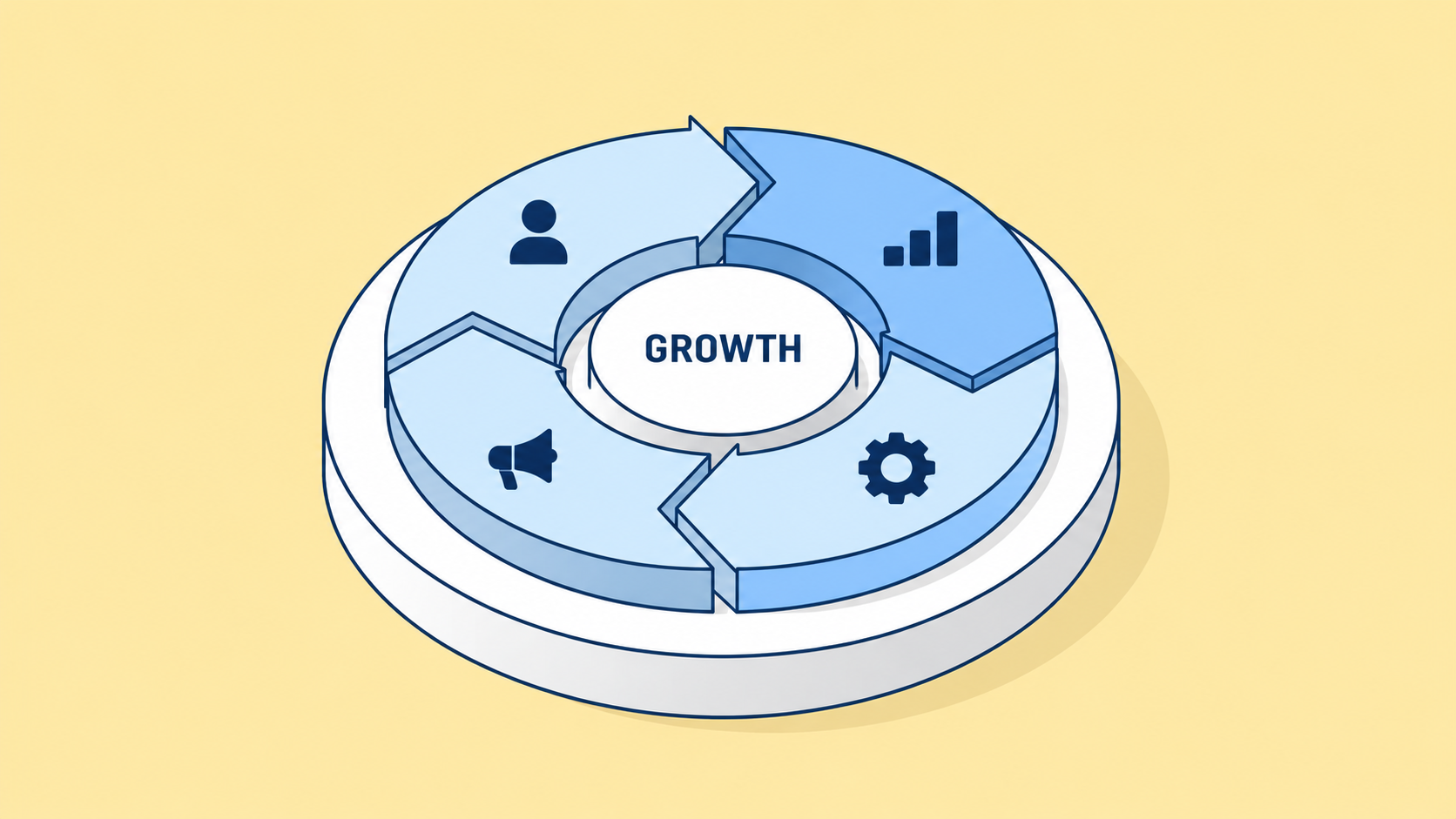
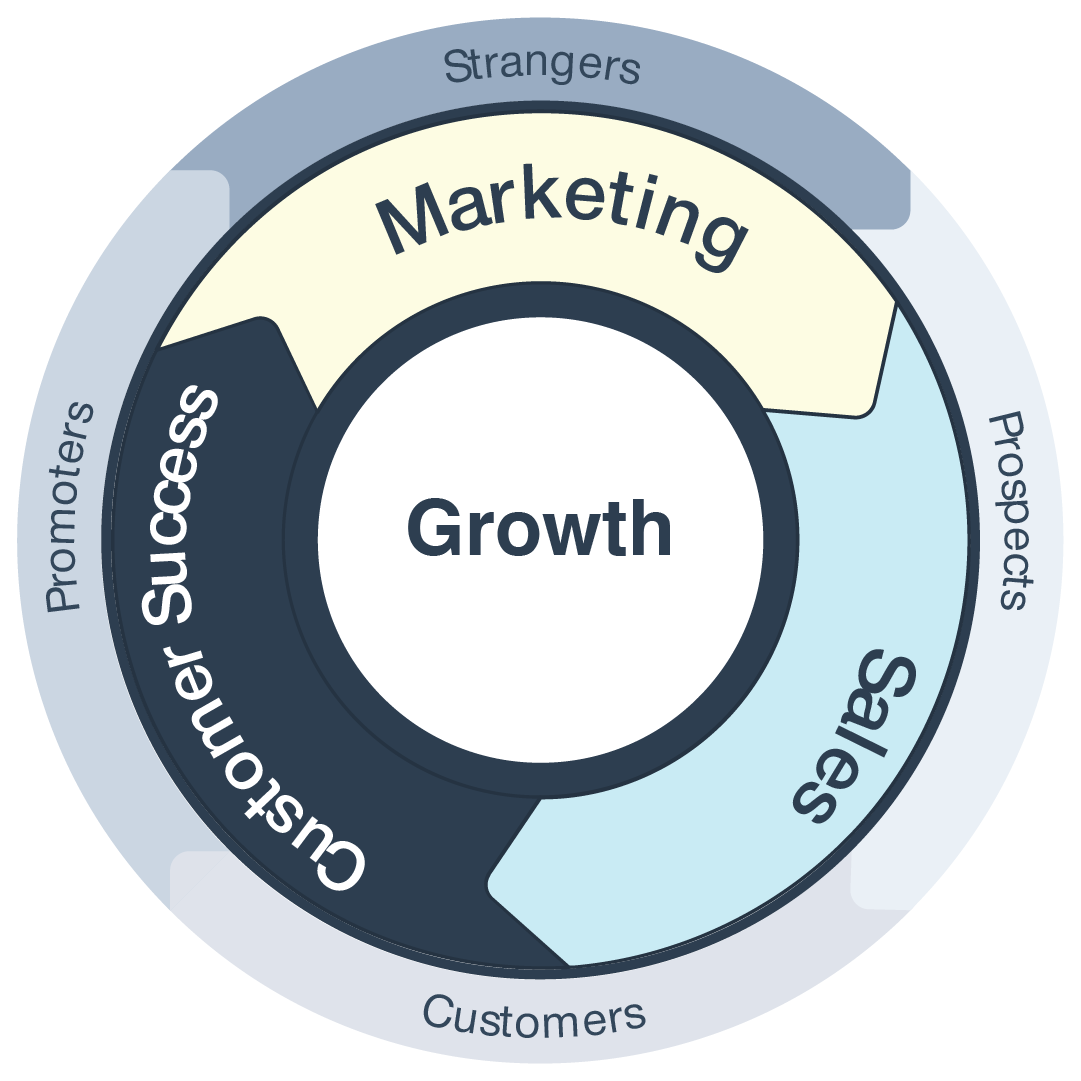
In a modern Go-To-Market system, these teams cannot exist in isolation. Alignment is the process of breaking down these silos to create a unified Propello flywheel where every department supports the next.
The Three Hidden Causes of Internal Friction
If your organization feels stuck, it is likely due to one of these three structural failures:
1. The Lack of a Common Language (The ICP Gap)
Misalignment often starts with a fundamental disagreement on who the customer actually is. If Marketing is targeting "Enterprise Tech Leaders" but Sales is having better conversations with "Mid-Market Operations Managers," the entire GTM engine is misfiring. A shared Ideal Customer Profile (ICP) is the anchor for all alignment.
2. Conflicting Performance Metrics
You get the behavior you measure. When Marketing is measured solely on MQLs (Marketing Qualified Leads) and Sales is measured on closed revenue, they naturally move in different directions. Alignment requires shared KPIs, such as pipeline contribution or customer lifetime value, that force teams to collaborate rather than compete.
3. Spliced Data and Tool Sprawl
When your Product team uses one tool, Marketing uses another, and Sales lives in a third, the "Single Source of Truth" disappears. Data silos prevent your teams from seeing the full buyer journey, making it impossible to identify where the revenue leaks are actually happening.
How GTM Engineering Forces Alignment
At Propello, we do not just talk about alignment; we engineer it. By applying GTM Engineering principles, we build the infrastructure that makes collaboration mandatory:
- HubSpot as the Central Hub: We architect HubSpot so that every department sees the same data, ensuring that the Product team knows why deals are being lost and Marketing knows which leads are turning into revenue.
- Automated Feedback Loops: We build workflows that automatically push feedback from Sales conversations back to Marketing and Product, allowing for real-time strategy pivots.
- Unified Revenue Dashboards: We create visibility into the entire flywheel, so everyone in the organization understands their direct impact on the bottom line.
Conclusion: Unity is the Ultimate Competitive Advantage
The companies that win in today’s market are those that can move faster than their competitors. Speed is a byproduct of alignment. When Marketing, Sales, and Product are joined at the hip through a well-engineered GTM strategy, friction disappears and growth becomes a predictable outcome.
Ready to stop the internal friction and start scaling?
Get a Free GTM Audit to identify the gaps in your team alignment and design a scalable revenue system.
Frequently Asked Questions (FAQ)