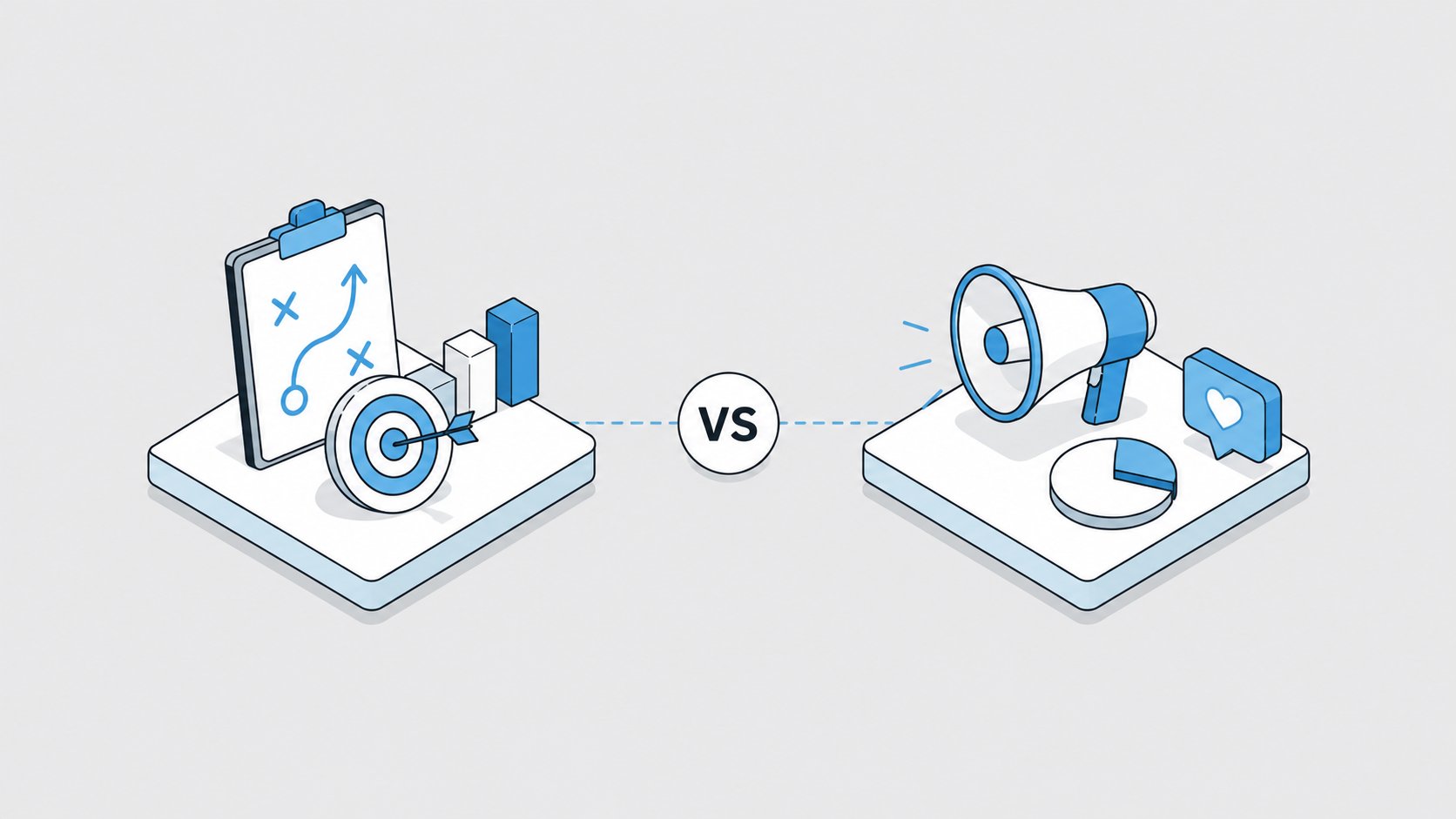
A Go-To-Market (GTM) strategy that exists only in theory is a wasted investment. For most B2B organizations, the gap between a high-level plan and a functional revenue engine is where growth plateaus occur. You can have a perfect understanding of your market, but if you do not have the technical systems to activate that knowledge, your business is limited by your manual capacity.
Building your revenue system begins with the GTM Blueprint. This is the architectural phase where we translate your strategic goals into the technical configurations, data protocols, and automated workflows required for scale. It is the transition from "what we want to do" to "how the machine actually works.”
The GTM Blueprint
A GTM Blueprint is a technical design document that specifies the CRM architecture, automation logic, and data integration points required to operationalize a Go-To-Market strategy. |
From Strategy to System: The Construction Phase
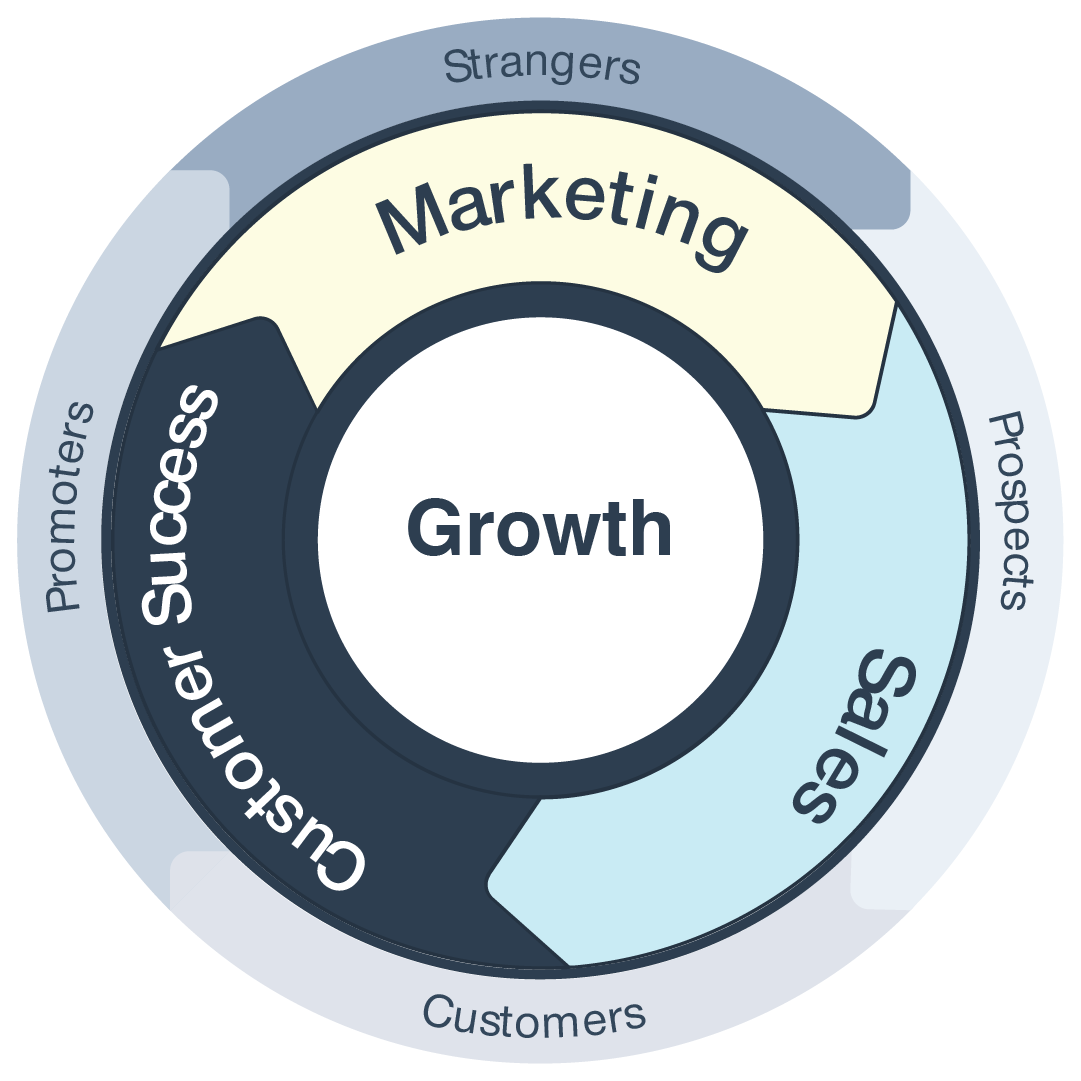
The GTM Blueprint moves your organization past fragmented tactics and toward a unified GTM Flywheel. At Propello, we focus on three core layers of construction during this phase.
1. Data Layer: The CRM Chassis
We begin by re-architecting your HubSpot environment to serve as a high-integrity foundation. This involves mapping every custom property, lifecycle stage, and lead source to your specific buyer journey. We ensure that your data is not just collected, but categorized in a way that makes it actionable for both Marketing and Sales.
2. Logic Layer: Automated Growth Systems
With the chassis built, we layer on the automation. We design the scalable growth systems that handle the repetitive parts of the customer journey. This includes lead routing rules, behavioral scoring, and nurturing sequences that deliver your value proposition with perfect timing.
3. Execution Layer: Signal-Based Sales Plays
The final part of the blueprint is the operational layer for your team. We build the "Alert Systems" that tell your sales reps exactly when and why to reach out to a prospect. By engineering these intent signals directly into your CRM, we move your team from generic prospecting to surgical market capture.
Why You Need a Blueprint Before You Scale
Scaling without a blueprint is like building a skyscraper without a foundation. The more weight you add (leads, reps, or spend), the more likely the structure is to collapse. A GTM Blueprint provides the structural integrity required to handle high-velocity growth.
- Predictable Efficiency: When your workflows are engineered, your output becomes a predictable result of your inputs rather than a variable of human effort.
- Team Alignment: The blueprint acts as a Single Source of Truth that aligns Marketing, Sales, and Product around a unified technical process.
- Minimized Technical Debt: By architecting your system correctly from the start, you avoid the expensive "re-builds" that plague companies that outgrow their initial, fragmented setups.
Conclusion: Start Your Build Today
The market does not wait for organizations to get organized. Every day you operate without an engineered revenue system is a day you are losing ground to competitors who are using automation to move faster. Building your GTM Blueprint is the most significant investment you can make in the long-term stability and scalability of your business.
Ready to start the build?
Start Your GTM Blueprint Today to move from a static strategy to a high-performance revenue engine.
Frequently Asked Questions (FAQ)