
Strategy is the blueprint, but a playbook is the manual for operation. Many organizations possess a high-level understanding of their market but fail during the transition to execution. They treat growth as a series of manual tasks rather than a repeatable system.
To achieve sustainable scale, you must move beyond tribal knowledge and document the technical logic that powers your revenue engine.
This playbook outlines the Propello methodology for designing and deploying scalable growth systems. By focusing on GTM Engineering and technical alignment, we turn the abstract concepts of a GTM strategy into a functional, high-performance reality.
The GTM PlaybookA GTM Playbook is a standardized set of operational procedures and technical workflows that define how an organization executes its Go-To-Market strategy across every stage of the buyer journey. |
The Propello Playbook: A Four-Phase Execution Framework
Building a revenue engine requires a shift from fragmented tactics to technical precision. At Propello, we use the following four-phase framework to bridge the gap between your market vision and your HubSpot infrastructure.
Phase 1: The Infrastructure Audit
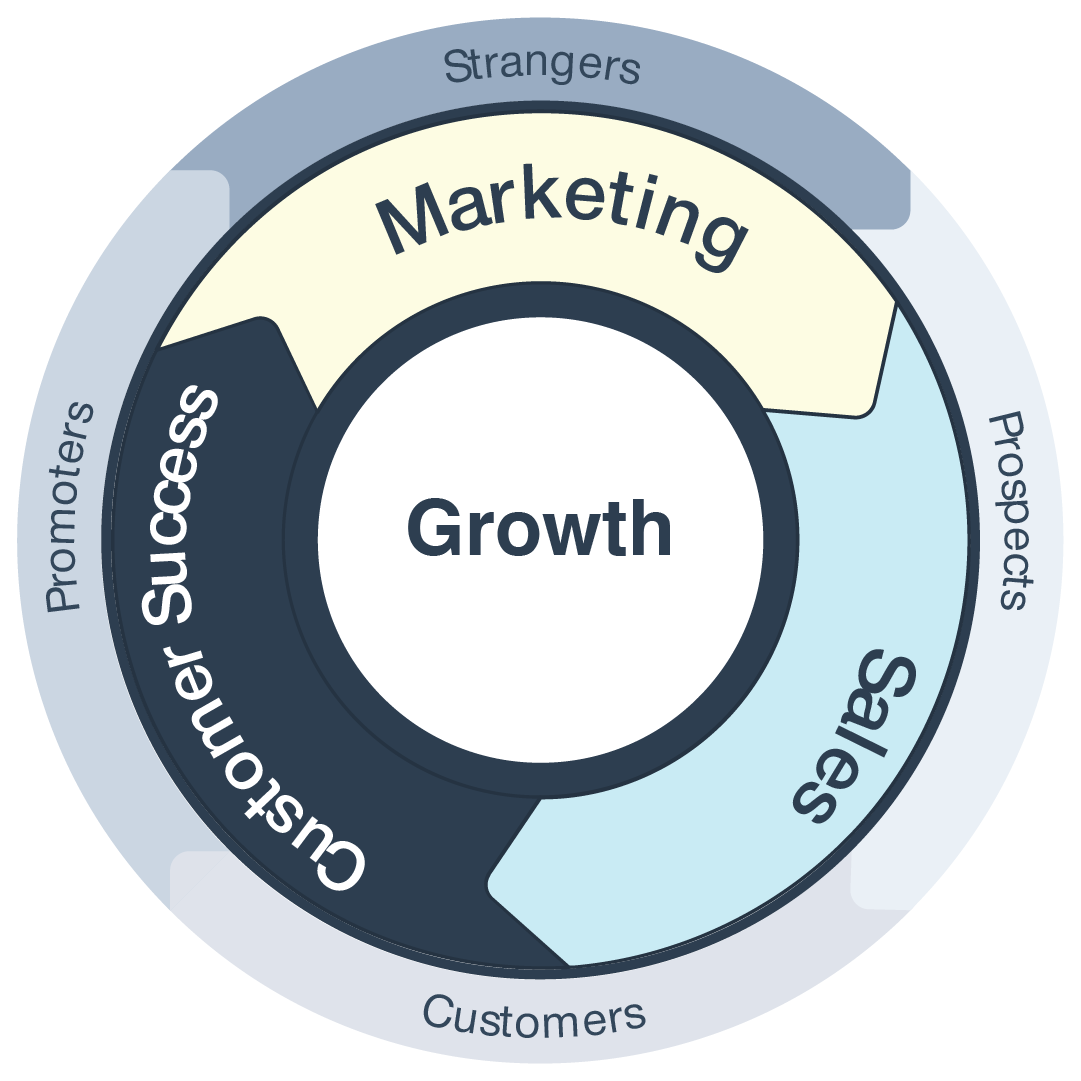
Before you can design a scalable system, you must understand the current state of your technical architecture. We begin by identifying the friction points that are currently slowing down your GTM Flywheel.
- Data Integrity Check: We audit your CRM to identify duplicate records, missing fields, and broken integrations that prevent a single source of truth.
- Funnel Friction Mapping: We analyze your current conversion rates to see where prospects are dropping out of the journey due to technical or messaging failures.
- Tool Stack Evaluation: We review your existing technology to ensure every tool is contributing to the RevOps engine rather than creating another data silo.
Phase 2: System Architecture and Design
Once the audit is complete, we move into the design phase. This is where we architect the technical scaffolding that will support your growth. We focus on building a system that is resilient, automated, and aligned across all departments.
- Lifecycle Stage Logic: We define the technical triggers in HubSpot that move a prospect from one stage to the next, removing the need for manual status updates.
- Automated Lead Scoring: We build models that rank prospects based on their fit and intent signals, ensuring your sales team only focuses on high-probability opportunities.
- Messaging Synchronization: We bake your Ideal Customer Profile (ICP) and core messaging into your automated sequences and sales templates to maintain consistency.
Phase 3: The Operational Rollout
A system is only effective if the team knows how to operate it. In this phase, we move from architecture to implementation, deploying the workflows and playbooks that your team will use daily.
- Sales Playbook Automation: We provide sales reps with real-time alerts and "next-step" recommendations based on buyer behavior.
- Marketing Sequence Deployment: We activate the automated nurturing paths that educate and qualify prospects without manual intervention.
- Success Handoff Protocols: We engineer the transition from "Closed-Won" to "Customer Success," ensuring that the customer experience remains seamless after the sale.
Phase 4: Continuous Optimization
A scalable growth system is not static; it is a living machine that requires constant tuning. We use the data generated by the system to identify new opportunities for efficiency and ROI improvement.
- Pipeline Velocity Analysis: We measure the time it takes for deals to move through the engine and identify bottlenecks in real-time.
- A/B Performance Testing: We continuously test different messaging and automation logic to find the highest-performing configurations.
- Revenue Attribution Reporting: We provide the leadership team with total visibility into which efforts are driving actual revenue, allowing for data-backed budget decisions.
Conclusion: Engineering Your Path to Scale
Designing a scalable growth system is a shift from working "in" the business to working "on" the business. By documenting and automating your GTM strategy through a formal playbook, you remove the reliance on individual heroics and replace it with systemic certainty.
When your growth is engineered, your potential is no longer limited by your manual effort, but by the quality of your architecture.
Ready to deploy your GTM playbook?
Book a GTM Strategy Session with Propello to identify the gaps in your growth engine and design your scalable revenue system.
Frequently Asked Questions (FAQ)