For decades, the "sales funnel" was the undisputed king of business growth. It was a simple, linear concept: pour a large volume of leads into the top, filter them through various stages, and collect a small percentage of customers at the bottom. However, in the modern B2B environment, the funnel is no longer an asset; it is a liability.
The traditional funnel treats customers as an output rather than an input. Once a deal is closed, the process ends, and the machine resets to find the next lead.
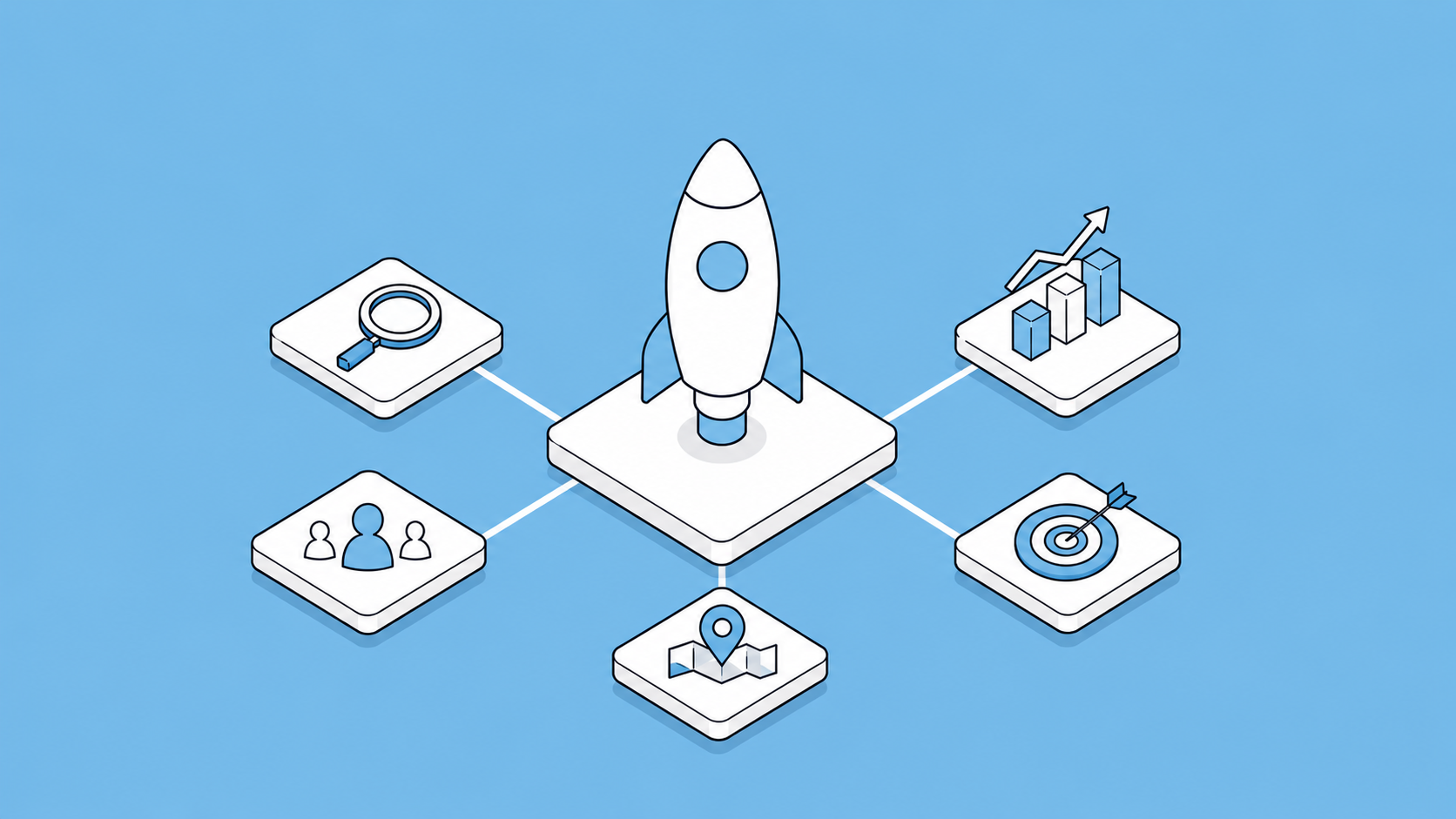
The evolution of Go-To-Market (GTM) has moved away from these one-way streets and toward integrated systems that treat revenue as a continuous, self-sustaining loop.
GTM SystemsA GTM System is an interconnected framework of technology, data, and processes that manages the entire customer lifecycle to drive compound growth. |
Why the Traditional Funnel is Failing
The failure of the funnel model in today's market is rooted in how buyers actually behave. Business leaders are no longer passive recipients of marketing; they are active researchers who move back and forth between stages of the journey.
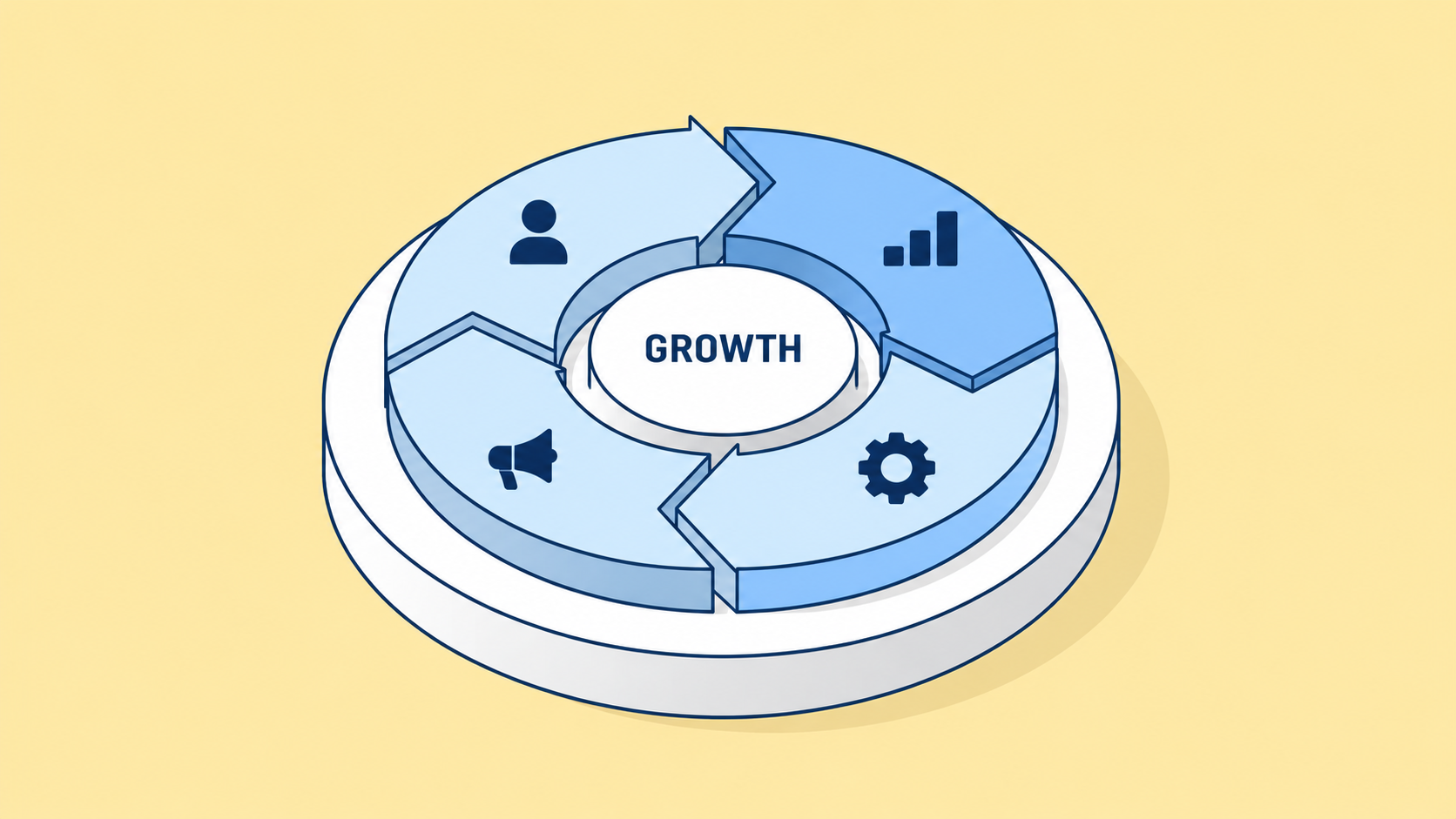
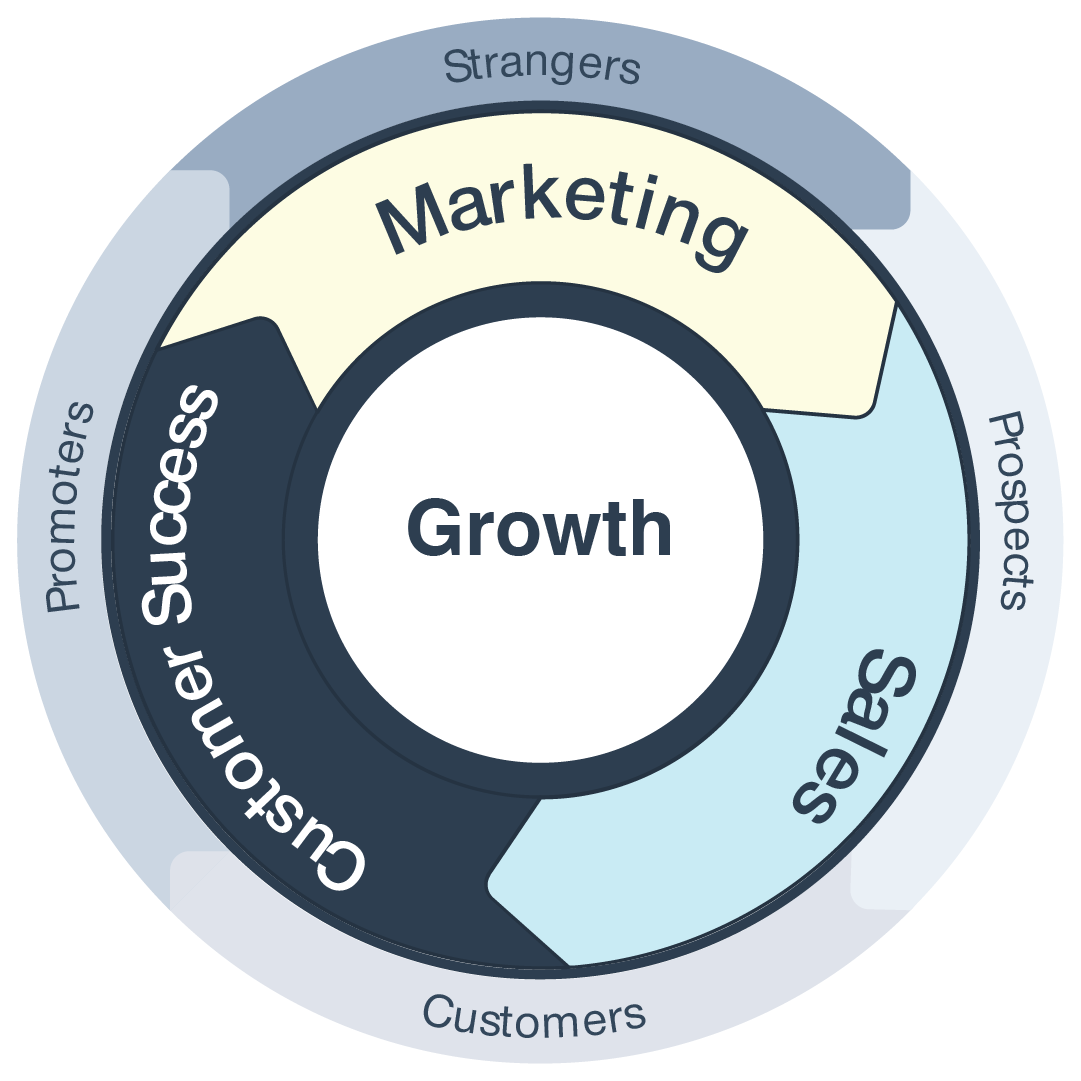
When you rely on a funnel, you lose momentum every time a lead drops out. A systems-based approach, often referred to as a GTM flywheel, ensures that every interaction, whether it results in a sale today or a referral tomorrow, adds energy back into the business.
1. From Transactional to Relational
Funnels are designed for transactions; they focus on the "closed-won" event. Systems focus on the relationship, ensuring that your existing customers become your primary drivers of new lead generation through advocacy and expansion.
2. From Guesswork to Engineering
Funnels often rely on "more" (more leads, more calls, more ads). Systems rely on "better." By applying GTM Engineering principles, we build data pipelines that show exactly where friction is occurring, allowing for surgical improvements rather than blind budget increases.
3. From Silos to Synchronization
In a funnel model, Marketing "hands off" to Sales. In a system, Marketing, Sales, and Success are permanently aligned. They share the same data in HubSpot, ensuring that the customer experience is seamless from the first touchpoint to the tenth year of the contract.
Building Your GTM Flywheel with HubSpot
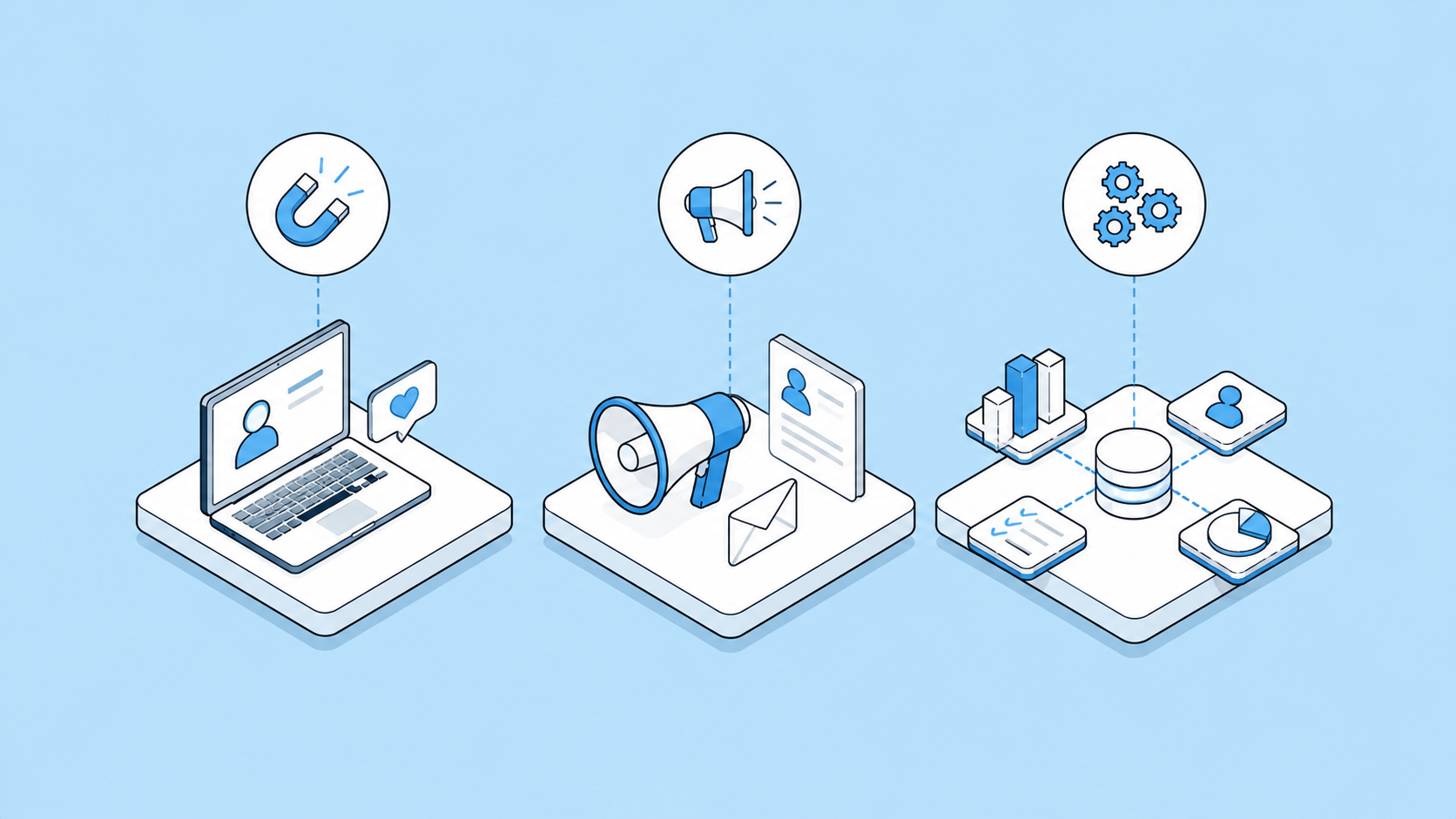
At Propello, we use HubSpot to architect these systems. We move businesses away from the "leaky funnel" by focusing on three core operational pillars:
- Attract: Using high-precision content and defined ICPs to bring the right people into the system.
- Engage: Using automation to provide value at scale, ensuring no prospect is left behind due to manual oversight.
- Delight: Using Success data to identify upsell opportunities and turn satisfied customers into vocal brand advocates.
Conclusion: The Future of Revenue is Systematic
The evolution from funnels to systems is not just a trend; it is a necessity for any business looking to scale without friction. By viewing your Go-To-Market strategy as a technical system rather than a creative campaign, you create a repeatable, predictable, and scalable revenue engine.
Ready to evolve your growth engine?
Get a Free GTM Audit to identify the gaps in your current funnel and start building a high-performance GTM system.
Frequently Asked Questions (FAQ)