The modern business landscape is defined by two competing forces: the exponential rise of AI-generated noise and the increasing demand for high-integrity buyer experiences. For B2B organizations, the traditional methods of growth (mass outreach and generic marketing) are no longer just inefficient; they are actively damaging to the brand.
To succeed in this environment, a Go-To-Market (GTM) strategy can no longer be a static plan. It must be a dynamic, engineered system that prioritizes precision over volume.
This guide provides the definitive framework for building a modern GTM engine that scales without friction.
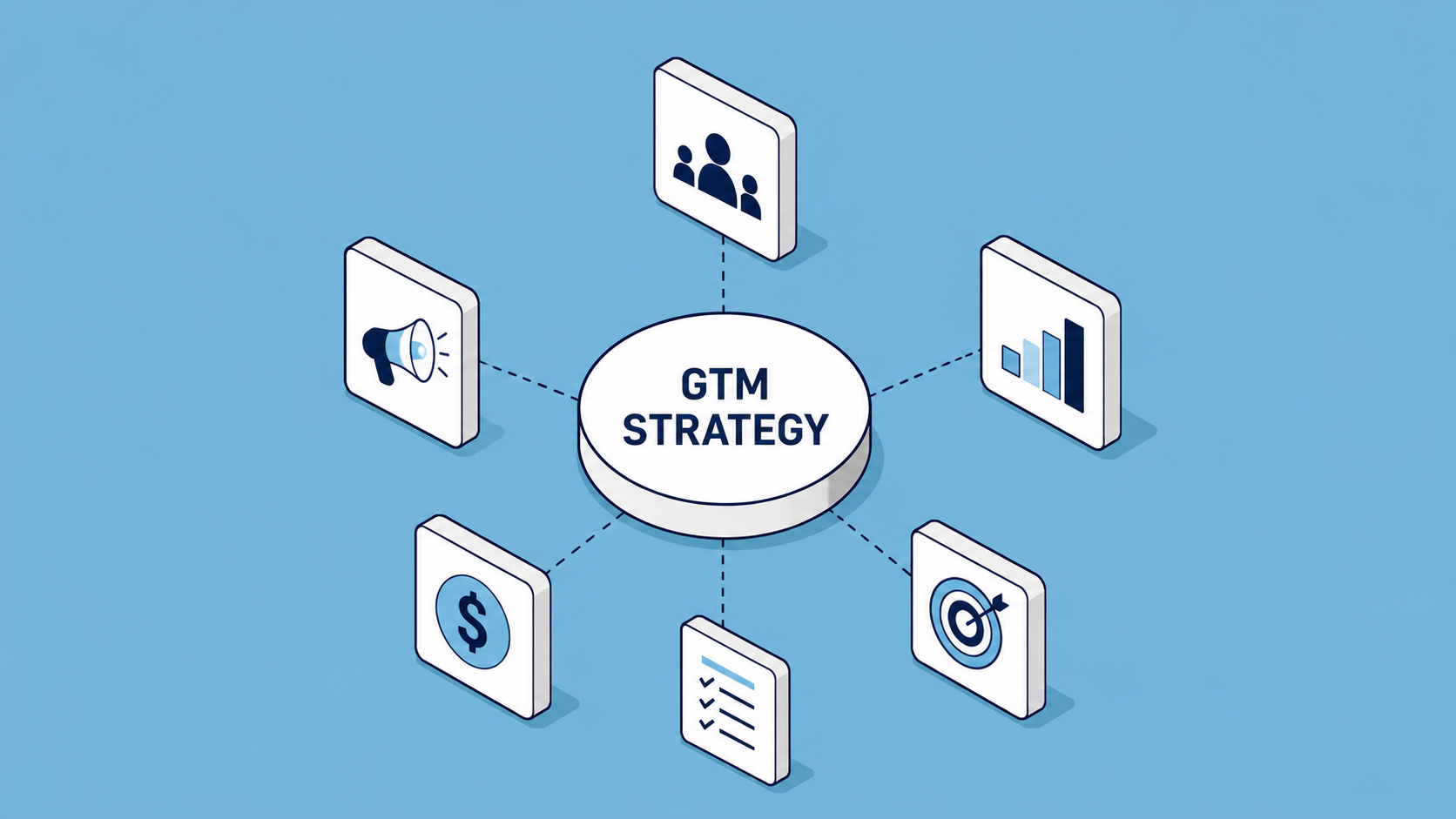
GTM StrategyA Go-To-Market (GTM) strategy is a structured, cross-functional blueprint that defines how an organization delivers its unique value proposition to a specific audience to achieve a sustainable competitive advantage. |
How GTM Strategy has Evolved
The primary shift in the current market is the transition from funnels to systems. Buyers now engage with an average of 10 to 15 touchpoints before ever speaking to a sales representative. If your departments are siloed, your buyer journey will feel fragmented.
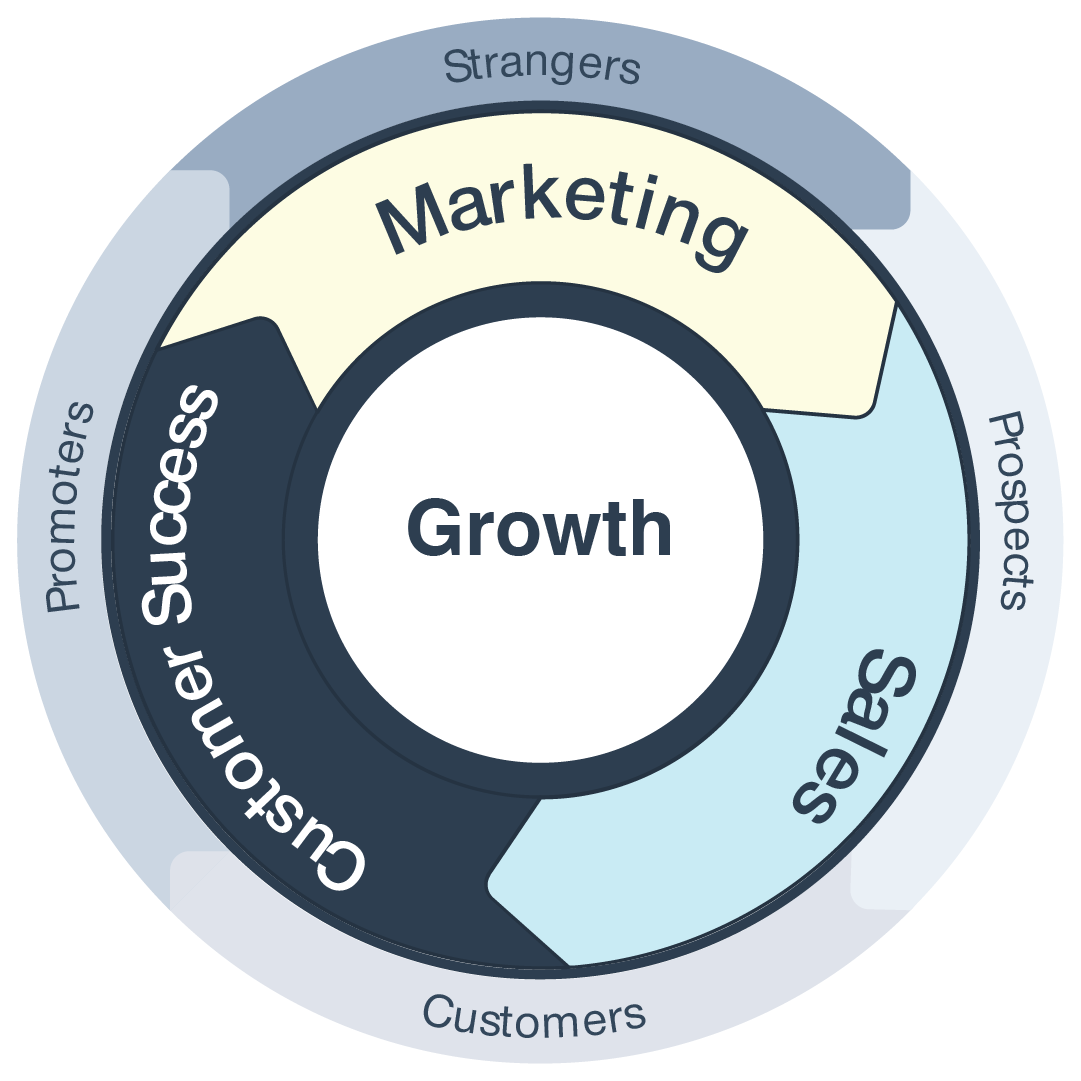
Modern GTM is about the GTM Flywheel. Unlike a funnel that ends at the sale, a flywheel uses the momentum of successful customers to drive new acquisition. This evolution requires a deep commitment to GTM Engineering, where data and automation handle the repetitive tasks so humans can focus on high-value strategy.
The 4 Core Pillars of a Modern GTM Strategy
To build a high-performance engine, you must define four specific variables with absolute technical clarity.
1. The Dynamic Ideal Customer Profile (ICP)
Your ICP is not just a list of industries. It is a living data set. You must identify the specific behavioral and technographic signals that indicate a company is ready to buy. For more detail, see our guide on defining your ICP step-by-step.
2. High-Integrity Messaging
Generic slogans do not work in a crowded market. Your messaging must be a Single Source of Truth that addresses the specific technical and emotional pain points of your ICP. It must be consistent across your website, your ads, and your sales scripts.
3. Precision Distribution Channels
Do not attempt to be everywhere. Use data to identify the 2 or 3 channels where your ICP actually spends their time. Whether it is LinkedIn ABM, specialized partner ecosystems, or organic search, your distribution must be engineered for ROI.
4. The Automated Sales Motion
Your sales process must be operationalized. This means using HubSpot and RevOps to automate lead routing, follow-ups, and sales enablement, ensuring that no opportunity is lost to manual error.
The Propello Roadmap: How to Build Your Engine
At Propello, we follow a rigorous process to move companies from scaling struggles to systemic growth.
- The Audit: We identify the leaks in your current funnel and the friction points between your teams.
- The Architecture: We design the data pipelines and HubSpot infrastructure required to support your strategy.
- The Implementation: We build the automated workflows and sales plays that turn the plan into a functional reality.
- The Optimization: We use real-time data to tune the engine, increasing revenue velocity and decreasing acquisition costs.
Conclusion: Engineering Your Future
The businesses that will dominate their markets are those that view growth as a technical discipline rather than a creative one. A well-engineered GTM strategy provides the certainty required to scale. It moves your organization away from the hope-based growth of the past and toward a future of scalable, predictable revenue.
Ready to lead your market?
Book a GTM Strategy Session with Propello to identify the gaps in your growth engine and design your revenue blueprint.
Frequently Asked Questions (FAQ)