

Are you looking to boost your online presence and drive more traffic to your website? Among the vast array of digital marketing techniques, Search Engine Marketing (SEM) stands out as a powerful tool to reach and engage your target audience. Search marketing, which includes both SEO and paid search marketing, is a key component of digital marketing strategies for increasing a website's visibility and attracting targeted traffic.
Search engine marketing bridges the gap between businesses and their potential customers.
With the ever-increasing competition in the online sphere, SEM allows you to make your brand visible, boost website traffic, and drive valuable conversions. Achieving greater search visibility and enhancing your website's visibility in search engine results are key goals of SEM.
In this comprehensive guide, we’ll explore various examples of Search Engine Marketing to demonstrate its versatility and effectiveness. From Paid Search Advertising to Video Marketing and Local Search Ads, we’ll delve into real-world cases where businesses have harnessed SEM to achieve outstanding results.
As we journey through these examples, you’ll gain valuable insights into the potential of SEM as a driving force behind your marketing efforts.
|
Definition of Search Engine Marketing SEM, or search engine marketing, is using paid advertising to ensure that your business's products or services are visible on search engine results pages (SERPs). |
Understanding Search Engine Marketing (SEM)
Search Engine Marketing (SEM) is a digital marketing strategy that promotes your business through paid advertising on search engine results pages (SERPs). Advertisers bid on target keywords matching user search queries, entering an ad auction where factors like bid amount and Quality Score determine ad placement and cost. Advertisers pay per click (PPC), making SEM measurable and efficient.
Unlike Search Engine Optimization (SEO), which focuses on organic rankings, SEM allows you to place targeted paid ads above organic results for immediate visibility. Google Ads and Bing Ads are the main platforms used, with a proper account and campaign structure essential for optimization.
Keyword research is vital for identifying relevant keywords based on search intent and volume, using tools like Google’s Keyword Planner, SEMrush, and SpyFu. PPC campaigns are organized around themes tied to business goals and include various ad formats such as search, display, and video ads. Monitoring analytics and improving Quality Score help optimize ad performance.
SEM is an ongoing process of optimization, enabling advertisers to reach their target audience effectively while controlling costs. Now, let's explore examples demonstrating SEM's impact across industries and marketing goals.
Benefits of Search Engine Marketing
1. Immediate Results
Search Engine Marketing (SEM) offers a wide range of benefits for businesses aiming to increase their website’s visibility and attract targeted traffic through search engine results pages. By leveraging paid search ads on platforms like Google Ads and Bing Ads, companies can reach their ideal audience at the exact moment users search for relevant keywords, products, or services.
One of the standout advantages of search engine marketing is the ability to achieve immediate results. Unlike organic search engine optimization, which can take months to impact rankings, SEM allows your ads to appear at the top of search results as soon as your ad campaigns go live.
This is especially valuable for new businesses, product launches, or time-sensitive promotions, as it drives instant visibility and website traffic.
2. Precision Targeting
SEM also excels in precision targeting. Through detailed keyword research, businesses can identify the right keywords and search terms that align with their target audience’s search intent. This means your paid search ads are shown to users who are actively looking for what you offer, increasing the likelihood of conversions. Advanced targeting options (such as location, device, demographics, and even the time of day) ensure your ad spend is focused on the most relevant users, while negative keywords help exclude irrelevant search queries and reduce wasted budget.
3. Measurability and Flexibility
Another key benefit of search engine marketing is its measurability and flexibility. With tools like Google Ads, you can monitor every aspect of your ad campaigns in real time, from impressions and click-through rates to conversions and cost per click.
This data-driven approach allows you to optimize your ad copy, landing pages, and bidding strategies for maximum return on investment. You can easily adjust your SEM strategy, pause underperforming ads, or reallocate your ad spend to the best-performing ad groups, ensuring your marketing strategy remains agile and effective.
4. Brand Awareness and Authority
In addition to driving targeted traffic and conversions, SEM helps boost brand awareness and authority. By consistently appearing at the top of search engine results pages for specific keywords, your business gains credibility and trust with potential customers.
Ad extensions, such as site links and callouts, further enhance your ads by providing additional information and encouraging users to engage with your web pages.
5. Long-Term Success
Ultimately, search engine marketing is a powerful tool for any digital marketing strategy. Whether you’re looking to increase website traffic, generate leads, or drive sales, SEM enables you to reach your target audience with precision, measure your results, and scale your efforts for long-term success.
By investing in paid search advertising and continually refining your approach through keyword research and campaign optimization, you can ensure your business stands out in competitive search results and achieves its marketing goals.
Examples of Search Engine Marketing
1. Paid Search Advertising Examples
Paid search advertising, also known as pay-per-click (PPC) advertising), is a cornerstone of search engine marketing. It allows businesses to bid on relevant keywords and display their ads prominently on search engine results pages (SERPs).
Successful SEM campaigns often combine precision keyword targeting with creative audience engagement to maximize effectiveness. For instance, targeting specific, high-intent "long-tail" queries that indicate readiness to buy helps businesses reach users who are more likely to convert.
Local businesses frequently employ PPC with long-tail keywords to capture high-intent buyers in their geographic areas.
2. Google Ads (formerly AdWords)
Google Ads is the leading platform for paid search advertising, offering various ad formats to cater to diverse marketing objectives. A notable example is "WePrint," an online printing company that utilized Google Ads to increase brand visibility and drive sales.
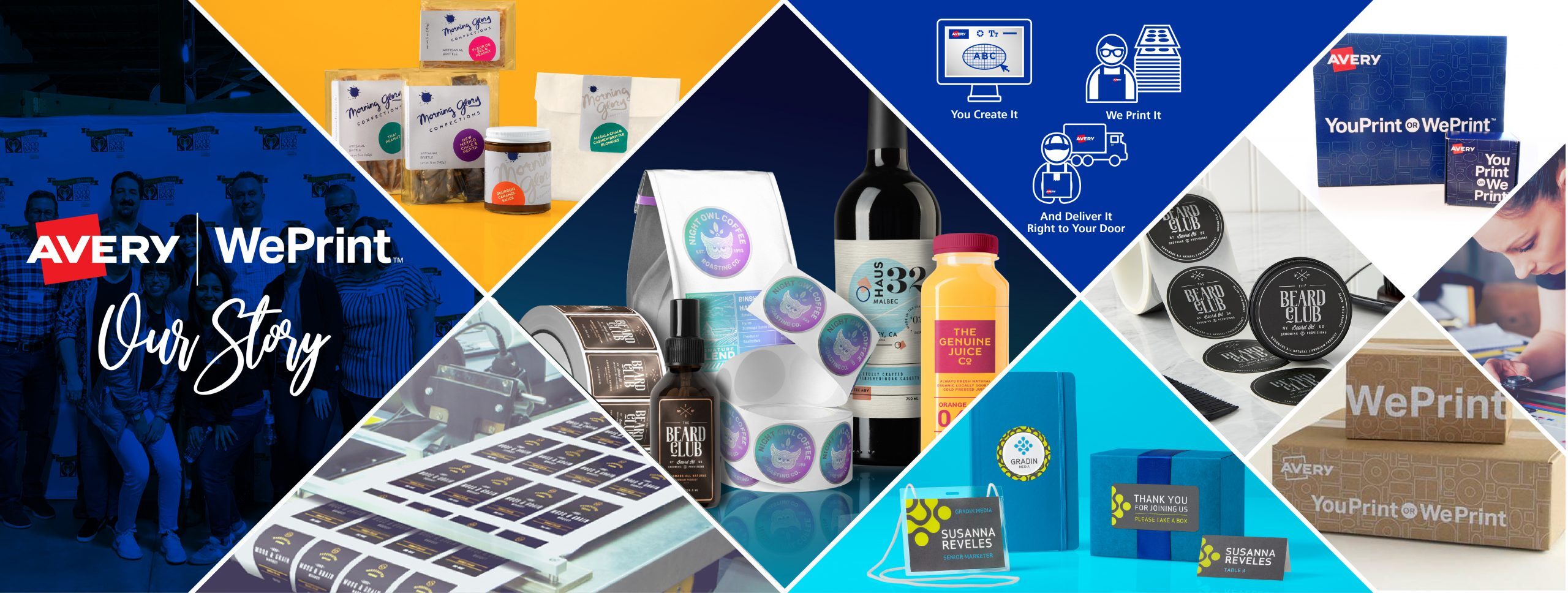
By strategically bidding on keywords related to printing services, WePrint managed to appear at the top of search results when users were searching for printing solutions. The company also utilized ad extensions, such as site links and callouts, to provide additional information to potential customers.
In addition, Google’s AI-powered "AI Max" tool has been used by companies like L’Oréal to automate bidding and targeting, achieving a twofold increase in conversion rates. Brands also use automated campaign types to optimize performance across multiple platforms simultaneously, enhancing efficiency and reach.
3. Bing Ads
Bing Ads offers another valuable platform for paid search marketing, often with lower competition and cost-per-click (CPC) rates than Google Ads. Many businesses leverage Bing Ads to capture additional market share and reach audiences that may not be as active on Google.
For example, a local real estate agencies use Bing Ads to target specific geographic locations with tailored ad copy. This focused approach helped the agency generate high-quality leads at a lower cost, demonstrating the effectiveness of paid search strategies on alternative search engines.
4. Shopping Ads
Shopping ads are a powerful SEM tool for e-commerce businesses. These ads display product images, prices, and store information directly within search results, helping shoppers make quick purchasing decisions.
Valley and Peak, a premium outdoor apparel brand, leveraged search engine marketing to significantly boost its online presence and sales. By combining targeted Google Ads campaigns with strategic keyword research, Valley and Peak was able to reach highly relevant audiences actively searching for outdoor gear, and outstanding 781.10% increase in paid revenue from Google Ads.

5. Video Ads on YouTube
Video ads on platforms like YouTube provide an engaging way to connect with potential customers. These ads can appear before or during videos, targeting users based on their interests and search behavior.
Basic-Fit implemented a powerful tool that enables effortless creation, production, publishing, and personalization of display banners. Basic-Fit runs up to 10 different campaign variants per market, distributed across multiple channels and campaign phases (touch, tell, sell). They can update ad content and offers mid-campaign, enhancing ad relevance and engagement.

6. Local Search Ads
Local search ads help businesses attract customers in their geographic area by appearing in search results and maps when users search for nearby services or products.
Sunshine Eats partnered with a Krotov Studio agency to overcome challenges by creating a strategy focused on Local SEO, Social Media Engagement, and Targeted Paid Advertising.

7. Remarketing Campaigns
Remarketing allows advertisers to target users who have previously visited their website but did not convert. By showing tailored ads to these users as they browse other sites or search engines, businesses can encourage them to return and complete a purchase.
An online electronics store implemented a remarketing campaign targeting visitors who abandoned their shopping carts. This strategy increased conversion rates by reminding potential customers of products they were interested in, ultimately driving more sales.
8. Combining SEO and SEM
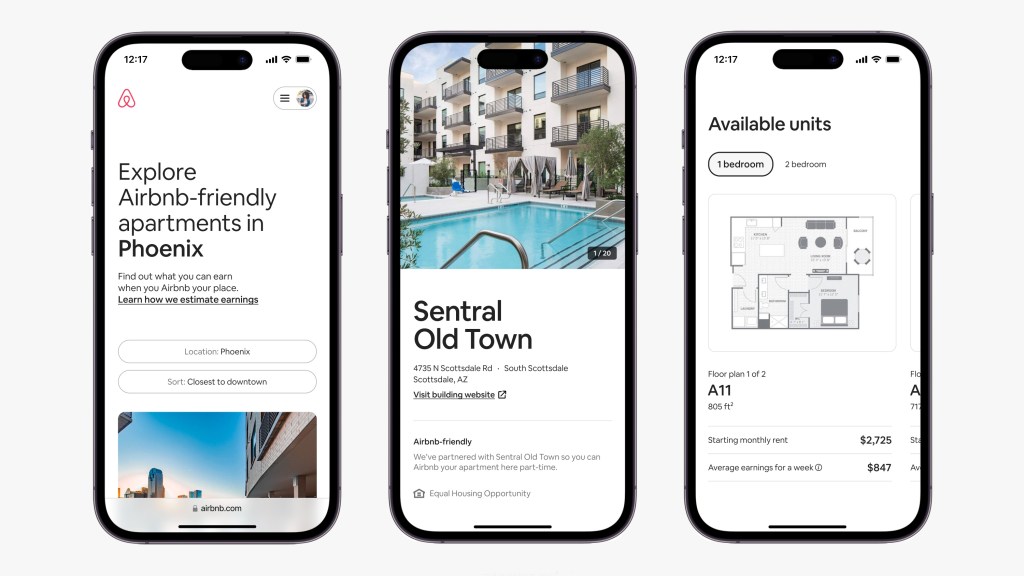
Many successful businesses combine search engine optimization (SEO) with paid search marketing to maximize their visibility. For instance, Airbnb integrated organic SEO strategies with paid Google Ads campaigns, resulting in a fourfold increase in website traffic.
Health and wellness companies often focus on SEO for mobile-friendly content and target specific health-related long-tail keywords, complementing their paid campaigns to attract targeted traffic effectively.
By using data from paid search campaigns to inform SEO keyword research and optimizing landing pages for both organic and paid traffic, companies can achieve sustained growth and improved return on investment.
9. Keyword Research
Keyword research is the foundation of any successful search engine marketing (SEM) strategy. It involves identifying and selecting the most relevant keywords and phrases that your target audience is likely to use when searching for products or services like yours. By understanding keyword intent and analyzing search engine results pages, businesses can tailor their ad campaigns to reach users at the right moment with the right message.
Effective keyword research goes beyond simply guessing which terms might work. Using keyword research tools such as Google’s Keyword Planner, SEMrush, or Ahrefs, marketers can uncover high-volume, low-competition keywords that align with their marketing strategy. These tools help analyze search volume, competition, and keyword trends, ensuring focus on the right keywords that will drive targeted traffic to your website.
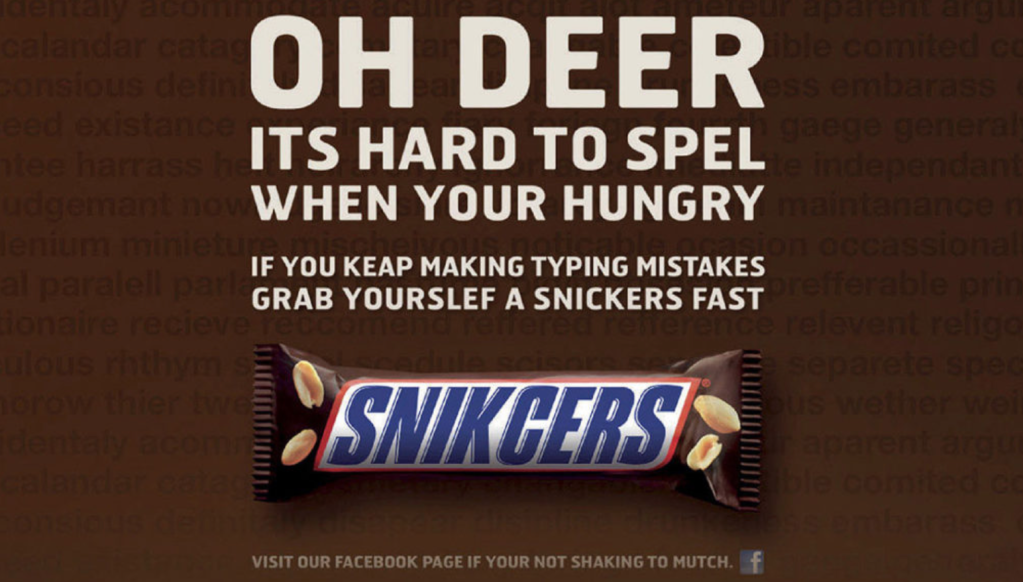
For example, Snickers targeted common misspellings of popular search terms, generating over 550,000 ad impressions in just two days; showcasing the power of precise keyword targeting.
Selecting relevant keywords is crucial for crafting compelling ad copy and ensuring your ads appear in front of users with genuine interest in your offerings. By targeting keywords that match your audience’s search intent, you increase the likelihood of your paid search ads resonating with your audience and driving qualified traffic.
Regularly updating your keyword list and refining your approach based on performance data will help you stay ahead in the competitive world of search engine marketing.
10. Ad Copy
Ad copy is the heart of your paid search ads, serving as the first impression your business makes on potential customers in search engine results. Well-crafted ad copy is essential for capturing attention, conveying value, and encouraging users to click through to your website. It typically includes a compelling headline, a concise description, a display URL, and can be enhanced with ad extensions such as site links, callouts, or call extensions.
The key to effective ad copy is relevance, your message should closely match the user’s search query and address their needs or pain points. By aligning your ad copy with the keywords you’re targeting, you increase the chances of your paid search ads resonating with your audience and driving qualified traffic.
Capterra’s ad titles are an excellent example, mimicking organic content to capture high-funnel user searches, building trust and driving conversions.

11. Landing Page
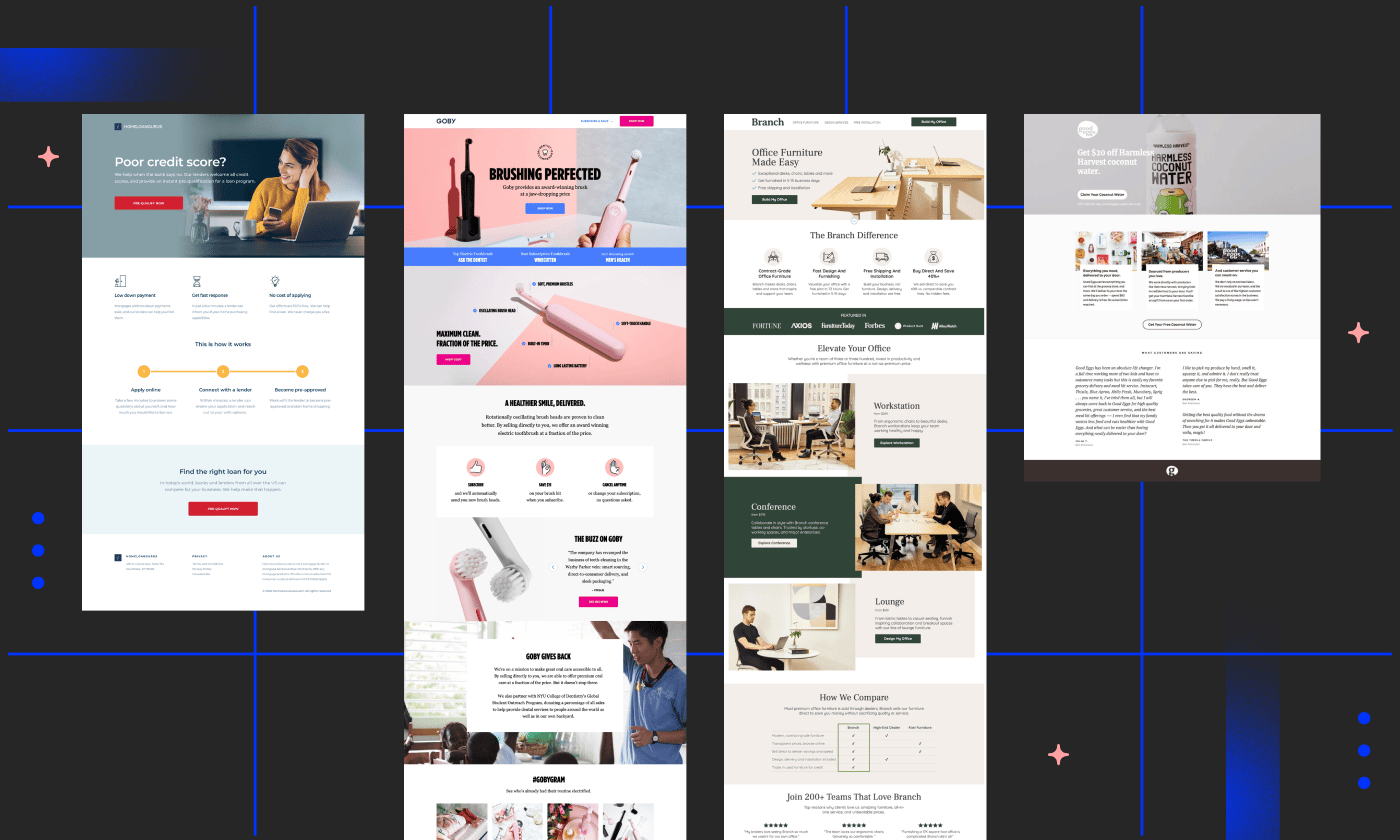
A landing page is the dedicated web page that users arrive at after clicking on your paid search ad. Its primary purpose is to convert visitors into customers by providing a seamless, relevant, and persuasive experience that matches the promise of your ad. In the context of paid search, a well-optimized landing page can make the difference between a successful campaign and wasted ad spend.
Effective landing pages are designed with the user in mind. They feature a clear and compelling headline, concise and persuasive copy, and a prominent call-to-action (CTA) that guides visitors toward the desired action—whether it’s making a purchase, filling out a form, or signing up for a newsletter. The content should be directly related to the ad that brought the user there, ensuring a consistent and trustworthy experience.
Landing page optimization includes creating fast, relevant, mobile-friendly pages that match ad messaging to boost conversions, reduce bounce rates, and maximize the return on paid search investment.
12. Ad Auction Process
The ad auction process is the real-time system search engines like Google use to decide which paid search ads appear on search engine results pages, their order, and cost. When a user enters a search query, eligible ads enter an auction where factors such as bid amount, ad relevance, landing page quality, and user experience determine the ad rank and cost per click.
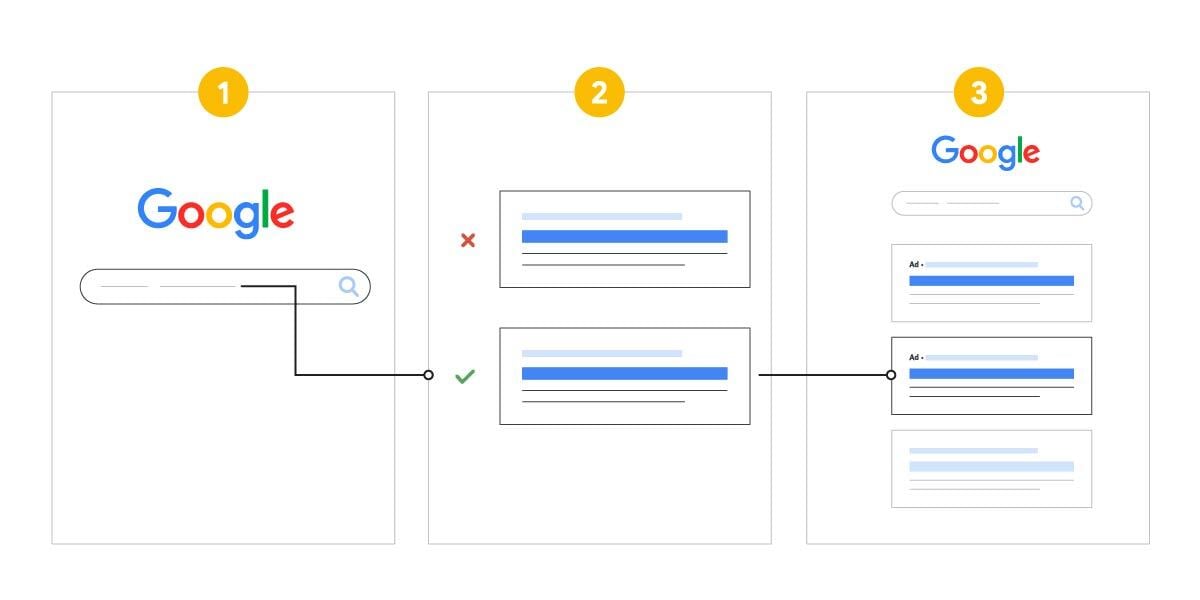
Optimizing bids, improving ad relevance, and enhancing landing page quality can boost ad rank and reduce costs, making campaigns more effective and efficient.
With over 58% of U.S. Google searches ending without a website click, businesses are increasingly optimizing for AI Overviews and featured snippets to capture user attention.
Staying updated on changes in the ad auction process and adapting strategies accordingly helps maintain a competitive edge in paid search advertising.
13. Measuring and Optimizing
Measuring and optimizing are essential aspects of successful search engine marketing (SEM). To maximize the effectiveness of your paid search campaigns, it’s crucial to track key metrics such as click-through rate (CTR), conversion rate, cost per click (CPC), and return on ad spend (ROAS).
Platforms like Google Ads provide powerful analytics tools that help you identify which ads, keywords, and landing pages perform best.
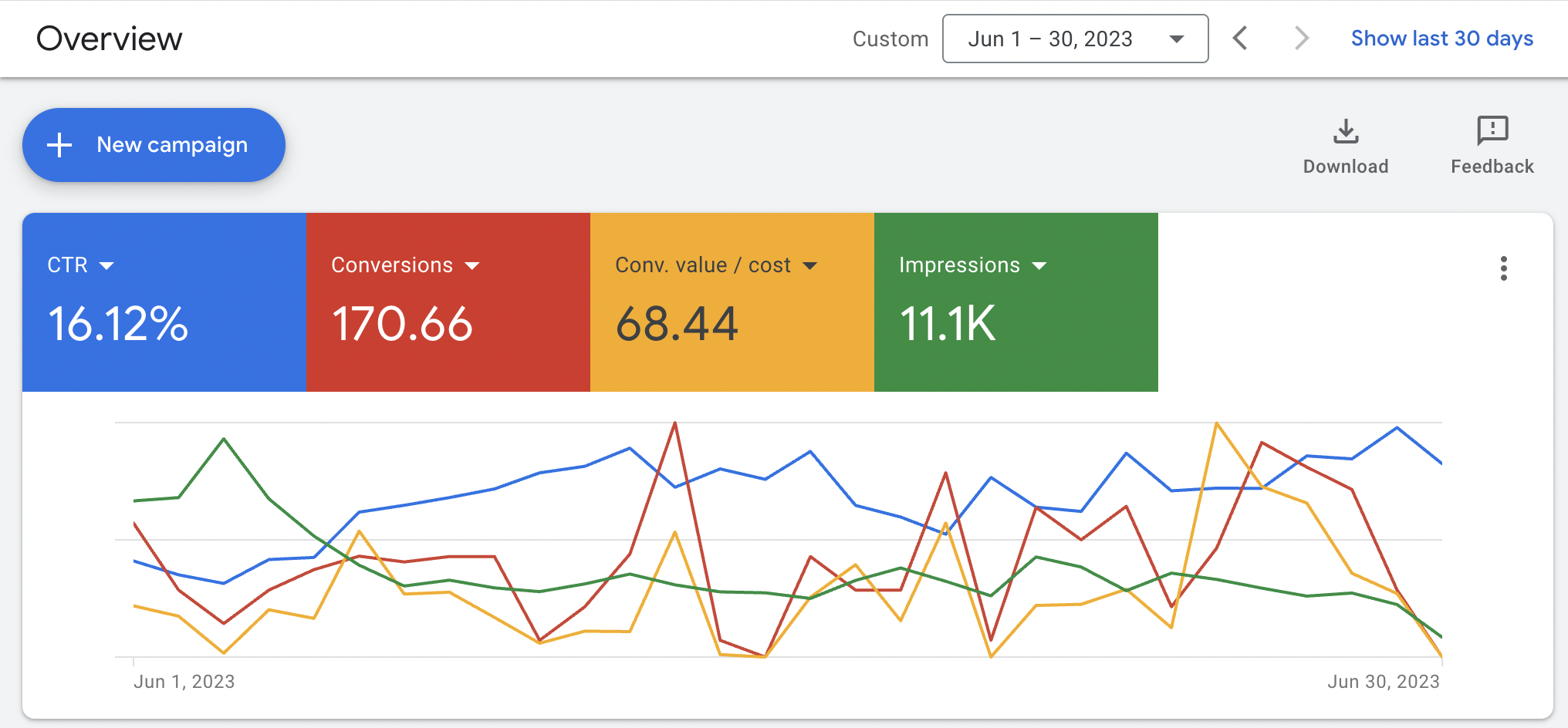
Continuous optimization based on data-driven insights allows you to refine bids, update ad copy, test landing pages, and reallocate budgets to top-performing elements. This ongoing process ensures your SEM strategy adapts to changes in user behavior, market trends, and search engine algorithms, delivering better results and higher ROI.
By prioritizing measurement and optimization, businesses can enhance their search engine marketing efforts. This drives targeted traffic and sustained growth through efficient, data-informed paid search campaigns.
Real-World SEM Examples
Understanding real-world examples of successful Search Engine Marketing (SEM) campaigns can provide valuable insights and inspiration for your own marketing efforts. Here are some notable cases that demonstrate the power and versatility of SEM across different industries.
Retailers Leveraging Google Ads
Retail businesses often use Google Ads to bid on specific product keywords, gaining immediate visibility in search engine results pages (SERPs). By targeting high-intent keywords related to their products, retailers can attract shoppers ready to make a purchase, driving quick sales and boosting brand awareness.
E-commerce Integration of SEO and PPC
E-commerce companies frequently combine search engine optimization (SEO) with paid search marketing to maximize their online presence. While SEO helps build organic rankings over time, PPC campaigns provide immediate visibility and sales opportunities. This integrated approach ensures sustained traffic growth alongside prompt conversions.
Nike's Dynamic Ad Campaign
Nike achieved a remarkable 15% increase in conversion rates during a product launch by targeting sneaker enthusiasts with dynamic ad copy. Their SEM strategy involved tailoring ads to resonate with their audience's interests and behaviors, demonstrating how personalized ad content can significantly enhance campaign performance.

Old Spice's Humorous and Responsive Campaign
Old Spice ran a creative SEM campaign featuring humorous ads and real-time responses to user interactions. This engaging approach led to a 107% increase in sales, showcasing the effectiveness of combining entertaining content with timely audience engagement in paid search advertising.
97th Floor's Lead Generation Success
The digital marketing agency 97th Floor helped JK Moving increase their leads by 108% while reducing their cost per lead by 50%. This case highlights how data-driven SEM strategies and meticulous campaign management can deliver substantial improvements in lead generation and cost efficiency.

Airbnb's SEO and Paid Ads Synergy
Airbnb integrated organic SEO tactics with paid Google Ads campaigns, resulting in a fourfold increase in website traffic. This example illustrates the benefits of combining organic and paid search efforts to amplify overall visibility and attract a broader audience.
Building Trust with Social Proof
Using social proof in ad copy, such as customer reviews and ratings, helps build trust and differentiate a business from competitors. Incorporating these elements into paid search ads can improve click-through rates and conversions by reassuring potential customers of your brand’s credibility.
Measurable Results Drive Success
A key advantage of SEM is its ability to measure. Campaigns generate concrete, quantifiable data that enable businesses to understand their audience better and optimize their marketing strategies for improved performance and return on investment.
These examples demonstrate the diverse ways businesses can leverage search engine marketing to achieve measurable results, engage their target audiences, and drive growth.
Conclusion
These search engine marketing examples illustrate the diverse strategies and platforms businesses can use to increase their online presence, attract targeted traffic, and drive conversions. By understanding how the ad auction works, researching relevant keywords, and implementing paid search strategies tailored to their goals, marketers can effectively leverage SEM to achieve measurable results.
Remember to continuously monitor analytics, optimize ad copy and landing pages, and exclude irrelevant search terms to maximize the efficiency of your campaigns. Incorporating shopping ads, video ads, and local search ads into your SEM strategy and exploring content marketing tactics can further enhance your reach and engagement.
With a well-rounded SEM approach, your business can stand out in search engine results pages and connect with customers at the right moment in their buying journey.
At Propello, we don’t just manage ads — we engineer growth. As a certified HubSpot Solutions Partner, we combine world-class CRM precision with Loop Marketing principles to ensure your search campaigns don’t just attract traffic, but continuously improve outcomes through learning loops.
Ready to Turn Clicks Into Customers?
Frequently Asked Questions (FAQ)
What is an example of SEM?
An example of Search Engine Marketing (SEM) is a business using Google Ads to bid on relevant keywords so their ads appear at the top of search engine results pages (SERPs). For instance, an online printing company running paid search ads targeting keywords like "custom printing services" to drive traffic and increase sales exemplifies SEM in action.
What are the three types of search engine marketing?
The three primary types of search engine marketing are:
-
Paid Search Advertising (PPC Advertising): Placing paid ads on search engines like Google or Bing to appear prominently in search results.
-
Search Engine Optimization (SEO): Optimizing website content and structure to rank higher in organic (non-paid) search results.
-
Local Search Ads: Targeting geographically specific audiences with ads that appear in local search results and maps.
What are 5 search engine examples?
Five popular search engines where SEM campaigns can be run include:
-
Google
-
Bing
-
Yahoo
-
DuckDuckGo
-
Baidu
What's the difference between SEM and SEO?
SEM (Search Engine Marketing) primarily involves paid advertising to increase a website's visibility on search engine results pages quickly, often through pay-per-click (PPC) campaigns. SEO (Search Engine Optimization), on the other hand, focuses on improving a website's organic rankings over time through content optimization, technical improvements, and link building.
While SEM provides immediate visibility, SEO builds long-term, sustainable traffic. Both strategies complement each other in a comprehensive digital marketing plan.


.png)
/The%20Ultimate%20Guide%20to%20SEM%20(Search%20Engine%20Marketing).png)