Airbnb transformed from a local startup into a global hospitality leader by leveraging Google Ads for Airbnb and strategic pay-per-click (PPC) marketing campaigns. By carefully planning their paid campaigns with thorough keyword research, compelling ad copy, and precise conversion tracking, Airbnb successfully increased brand visibility and attracted potential customers worldwide.
This partnership not only expanded their reach but also allowed them to connect with audiences worldwide, ultimately resulting in a staggering 80,000 listings.
This case study explores the key features of Airbnb’s approach, showing how targeted Google Ads helped drive highly relevant traffic to their listings and ultimately resulted in more bookings. Learn how to apply these proven strategies to optimize your own vacation rental advertising campaigns and maximize your return on investment.
|
Pay-Per-Click (PPC) Pay-per-click (PPC) is an online advertising model in which advertisers pay a fee each time their ad is clicked, typically used to drive traffic to websites and increase visibility in search engine results. |
Airbnb’s Challenge and Opportunity
Before embracing Google Ads, Airbnb faced the challenge of expanding beyond local markets and changing its perception from a budget travel option to a trusted provider of unique and quality accommodations worldwide.
In a highly competitive vacation rental market, Airbnb needed a scalable, data-driven marketing strategy to reach new customers internationally and stand out from competitors.
Google Ads offered an ideal platform, allowing Airbnb to target potential guests actively searching for accommodations, while providing measurable results to optimize their campaigns continuously.
Setting Ambitious Goals
Airbnb defined clear, ambitious goals to guide their PPC strategy:
- Reach an International Audience: Expand brand awareness across multiple countries and markets.
- Target New Customers Globally: Attract a diverse and growing customer base.
- Elevate Brand Perception: Shift from being known solely as a budget option to a provider of quality stays and memorable experiences.
These goals shaped their campaign planning, platform selection, and budgeting decisions.
Setting Up a Google Ads Campaign: Step-by-Step
Launching a successful Google Ads campaign involves several critical steps:
1. Create a Google Ads Account
Setting up your Google Ads account is straightforward and opens up paid advertising opportunities across Google Search, Display Network, YouTube, and partner sites.
2. Choose the Right Campaign Type
Select campaign types aligned with your goals:
- Search Ads: Appear in search engine results, targeting users actively looking for accommodations.
- Display Ads: Broaden brand visibility through banners on websites in Google’s extensive network.
- Video Ads: Engage users on YouTube and mobile devices with compelling visual content.
3. Set a Daily Budget
Manage your ad spend by setting a daily budget that fits your marketing plan. For initial testing, a daily budget between $10 and $30 is recommended to gather performance data without overspending, while SMBs benefit from understanding the broader costs of PPC campaigns.
4. Conduct Thorough Keyword Research
Use tools like Google Keyword Planner to identify relevant, high-intent keywords that potential guests are searching for, such as "[city] Airbnb" or "[landmark] cozy rental."
Choosing the right keywords ensures your ads reach the most interested audience, increasing the likelihood of conversions.
5. Organize Keywords into Ad Groups
Group your keywords into themed ad groups based on accommodation types or locations. This organization improves ad relevance and quality scores.
6. Write Compelling Ad Copy
Create ad copy that highlights your unique selling points (USPs), such as specific amenities, location advantages, or special offers. Incorporate target keywords naturally to improve ad quality and relevance.
7. Utilize Ad Extensions
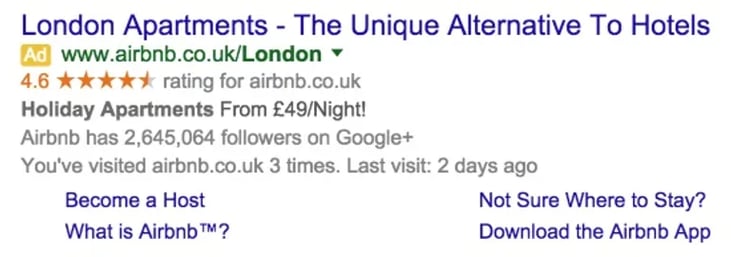
Enhance your ads with extensions like sitelinks, callouts, and location info to provide additional details and increase visibility on search engine results pages.
8. Optimize Landing Pages
Direct users to dedicated, well-optimized landing pages rather than sending traffic directly to your Airbnb listing. Landing pages should be relevant to the ad copy, load quickly (under 3 seconds), and feature a clear call to action to maximize conversion rates as part of a structured approach to getting started with conversion rate optimization.
9. Set Up Conversion Tracking
Implement conversion tracking to monitor user actions post-click, such as booking a rental or submitting an inquiry form. This data is essential for evaluating campaign effectiveness and guiding optimization within a robust marketing tracking and reporting process.
10. Regularly Review and Optimize
Continuously analyze campaign performance using Google Ads analytics and reports. Adjust keywords, ad copy, and budgets based on data to improve ROI.
Strategic Approach to Keyword Research and Targeting
Airbnb’s success relied on a two-pronged keyword strategy:
- Google Display Network (GDN): Used to showcase listings globally, reaching potential guests regardless of location.
- Google Search Ads: Targeted travelers actively searching for accommodations, using carefully selected keywords and negative keywords to avoid irrelevant clicks.
Regularly reviewing search terms reports helped Airbnb refine targeting and optimize ad spend.
Exceptional Results Achieved by Airbnb
Airbnb’s Google Ads campaigns delivered outstanding outcomes:
- Global Brand Recognition: Airbnb evolved into a trusted international brand, with increased website traffic and enhanced online presence.
- Massive Listing Growth: Listings surged from just one to over 80,000 worldwide, driven by data-informed campaign optimizations.
These successes demonstrate the power of a well-executed PPC strategy in scaling a vacation rental business globally and underscore what recent marketing ROI statistics for 2025 reveal about data-driven advertising.
Measuring Campaign Success with Conversion Tracking
Conversion tracking provides deep insights into which ads, keywords, and landing pages drive bookings and inquiries, forming a critical foundation for effective conversion rate optimization (CRO).
Key metrics to monitor include a core set of website metrics to measure and track, such as:
- Cost Per Click (CPC)
- Cost Per Conversion
- Return on Ad Spend (ROAS)
Using these insights, advertisers can refine their bidding strategies, improve ad copy, and better target specific demographics to boost conversions, aligning their efforts with current conversion rate optimization statistics.
Lessons Learned and Best Practices
- Focus on High-Intent Keywords: Target travelers ready to book rather than just increase awareness.
- Avoid Sending Traffic Directly to Airbnb Listings: Use dedicated landing pages to capture guest data and improve conversion tracking.
- Leverage Ad Extensions: Increase ad visibility and provide more information to potential guests.
- Optimize for Mobile: Ensure landing pages load quickly and are mobile-friendly, as most travel searches happen on mobile devices.
- Use Negative Keywords: Filter out irrelevant traffic to improve ad spend efficiency.
- Continuously Monitor and Adjust: Regular optimization is key to sustained campaign success.
Comparing Google Ads with Facebook and Instagram Advertising
Understanding the differences between Google Ads and social media platforms like Facebook and Instagram can help you optimize your vacation rental marketing and focus on the right metrics to measure your inbound marketing campaign.
Google Ads offers a wider reach due to the massive volume of daily searches, targeting users actively searching for accommodations with keyword-based ads. This intent-driven approach connects you with potential guests ready to book.
Facebook and Instagram provide high visibility since users spend significant time on these platforms. Their demographic and behavior-based targeting lets you reach users based on interests and profiles, even if they aren’t actively searching. Plus, their highly visual formats are ideal for showcasing your rental’s best features through images and videos.
By combining Google Ads’ intent-driven reach with the engaging, visual nature of Facebook and Instagram, you can create a cost-effective, well-rounded paid advertising campaign to attract more guests and boost bookings, especially when you apply tactics to maximize your B2B's PPC budget.
Empower Your Business with a Robust PPC Strategy
Airbnb’s journey exemplifies how a targeted, data-driven PPC campaign can transform a local business into a global powerhouse.
You can replicate this success by:
- Crafting bespoke PPC campaigns tailored to your unique business goals.
- Directing users to optimized landing pages with clear calls to action that are supported by high-quality, persuasive content marketing that boosts conversion rates.
- Writing compelling ad copy that highlights your unique selling points.
- Leveraging the power of Google Ads platforms to reach your target audience effectively.
At Fine Media, a proud HubSpot partner, we combine PPC expertise with marketing automation to deliver measurable results. Businesses evaluating agencies can use the ultimate guide to choosing a HubSpot partner to ensure the right fit before they decide to work together with Fine Media to unlock their vacation rental’s full potential.